10 Tips for Backpacking the World

Over my 40 day backpacking trip through South Africa and Europe, it’s safe to say I learned a lot. In fact, you can read about the major lessons I learned here. For this post though, I think I’ll touch on something more practical. This is for all the prospective backpackers or the ones who have just booked their adventure and are itching to go.
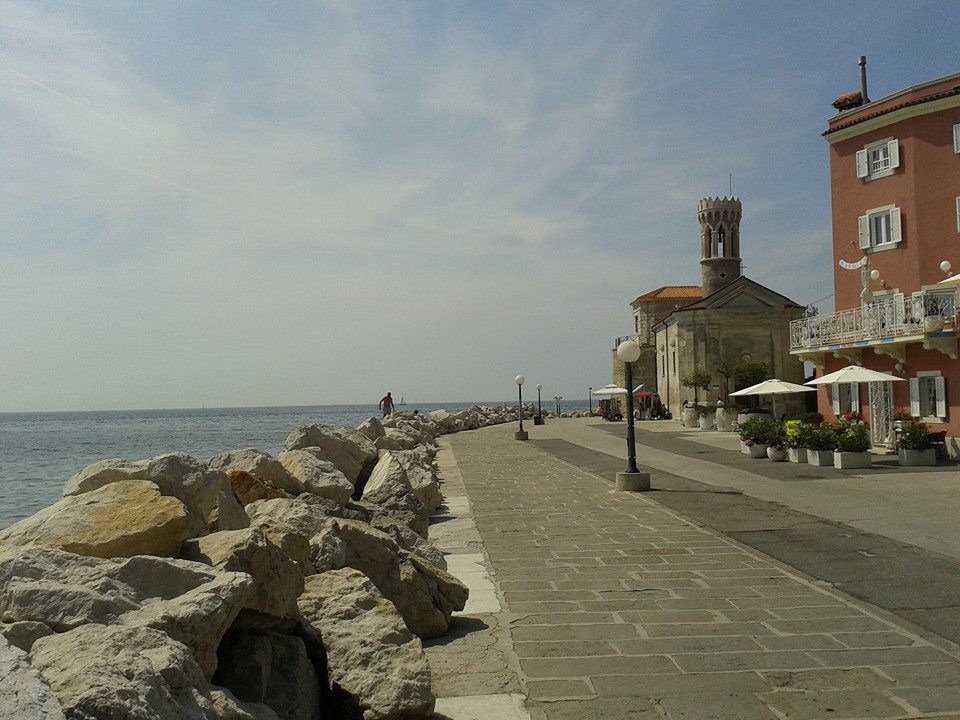
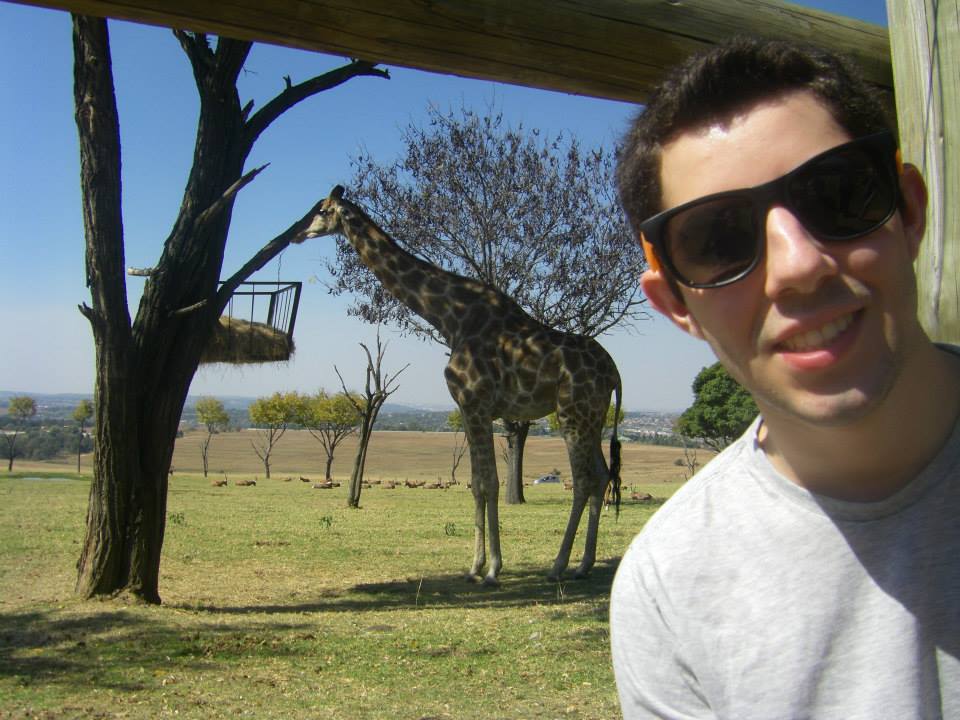
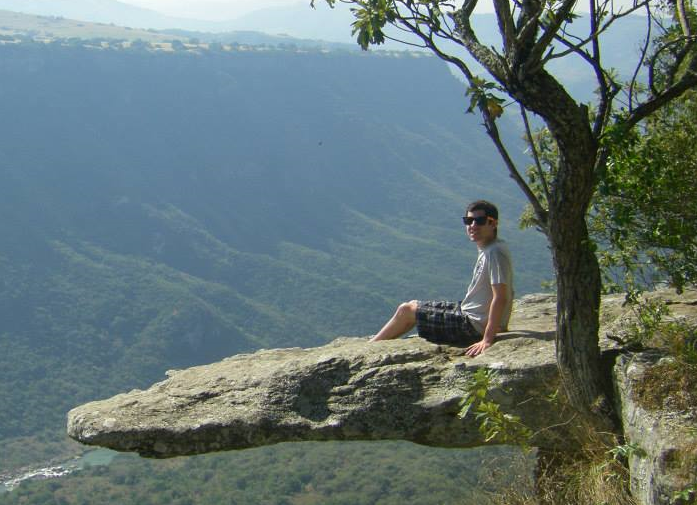
View of the Adriatic from Piran, Slovenia!

View of the Adriatic from Piran, Slovenia!

10. Book Early

I’m not a last minute person. If you are, that’s completely okay. However, if you already have a target destination, book as soon as you can. Waiting only drives up flight and accommodation prices. Example: I paid $1300 Canadian dollars for my round-trip flight to South Africa while booking 6 months in advance. If I had waited until the month before, I would have paid $2500.

9. Pack Duct Tape

Seriously. It fixes everything. And when your shampoo leaks all over your stuff from being knocked about while walking, flying, or catching a train, it is a life-saver.

8. Leave a Copy of your Documents at Home

My partner and I almost had a panic situation in South Africa when we thought we lost very important documents that would hinder our return home. Though we found them, it could have been disastrous and seriously put a damper on our trip. Make copies of your passport, travel insurance and other important documents and leave them at home. That way, should disaster strike, you can get someone to scan them to an embassy to save your behind.

7. Slow Down

I made the mistake of jam-packing my 40 days. I rarely stayed in a location longer than 3 nights. What I discovered though that this made for very hard travelling. I became very tired very quickly and found I was not quite processing everything. I found I wasn’t enjoying it as much as I wanted to, and all the moving around made it feel like a chore.
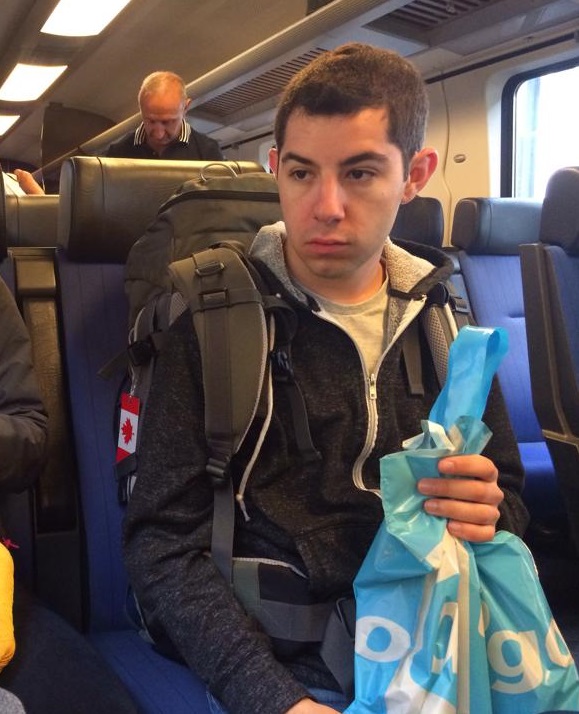
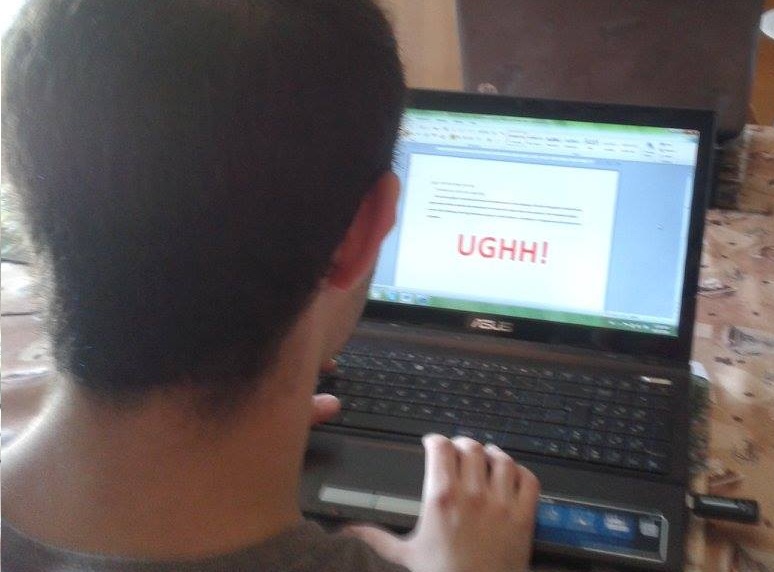
Do you see the exhaustion?

Do you see the exhaustion?

So, slow down. Relax your schedule. Take a day or two to just do nothing. In fact, you’ll need to just do nothing every once in a while, especially with long-term travel.

6. Don’t get too Photo-Happy

Photos are fine. Travelling behind your camera lens is not. Enjoy it, because living vicariously through your photos when you get home isn’t half as fun.

5. Check Visa and Travel Restrictions

This could seriously save you time and headaches. Find out all you can about entry into the countries that you would like to visit. Does your passport allow you to travel there? Do you need a visa? Some visa processes take MONTHS to complete.

4. Bring a Travel Journal

As a writer, this was a must for me. I wrote down everything I did and everything I felt. I also used it as a muse for long train and airplane rides. When I got home, I was surprised at the material I had written. It now serves as a great memory keepsake AND as inspiration for my writing.

3. Say “Yes”

Some of the best experiences I had were the times when I had no plan and I just went with the opportunities that presented themselves to me. That’s how I stayed with a host family in Cape Town instead of some dodgy hotel. That’s how I climbed the Alps in Austria.
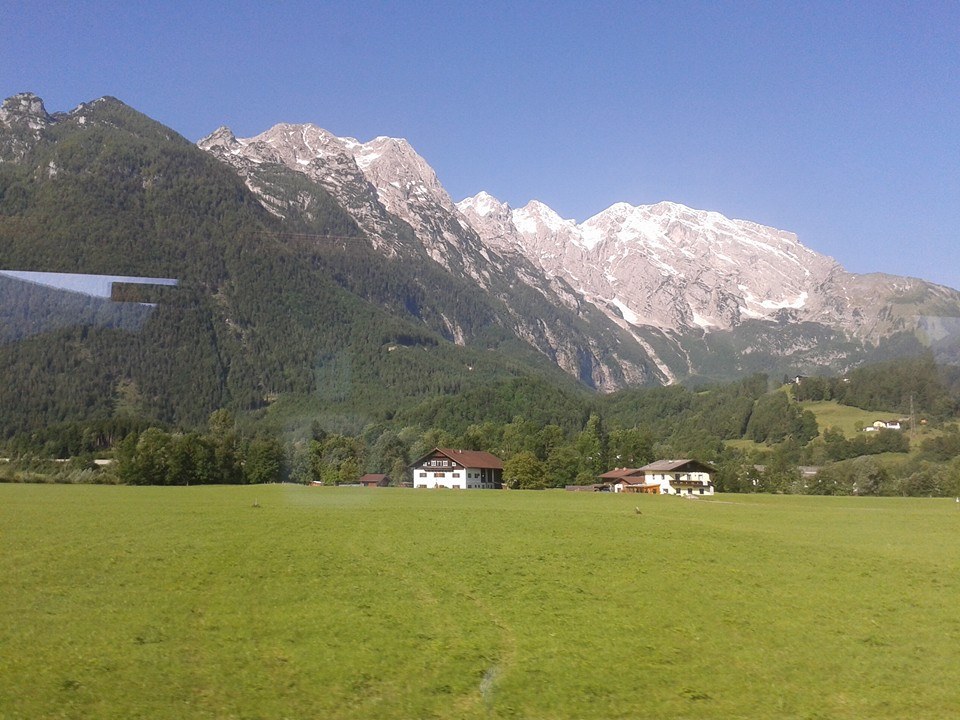
I got to climb these! Okay, maybe not this one, but one of them!

I got to climb these! Okay, maybe not this one, but one of them!

Be safe, of course. If your gut says no, then pass. Be careful to avoid scams, but if it seems safe enough, what’s the harm? It could end up being the best moment of your trip.

2. Be a Minimalist Packer

There are probably a billion websites and videos and blogs telling you what you should and should not pack. My advice to you? Pack the essentials. No, you don’t need every article of clothing you own and the kitchen sink. I thought I did when I left, but trust me, I was wrong. All the things I thought could be useful or maybe I’d need, I never. even. touched.

Leave that at home. It’ll only weigh you down. And when you’re lugging your backpack through city streets, lost and just wanting to find your accommodation, you’ll thank me. Besides, if there’s anything you don’t have and you absolutely need, the reach of global capitalism has you covered.

1. Just Go… NOW!

What are you waiting for? Seriously. The longer you delay, the less likely it is to happen. There will be no perfect opportunity. No one will hand you a flight ticket and get your life in order for you. If you want to travel, the time is NOW. Everything else will work itself out. Trust me.
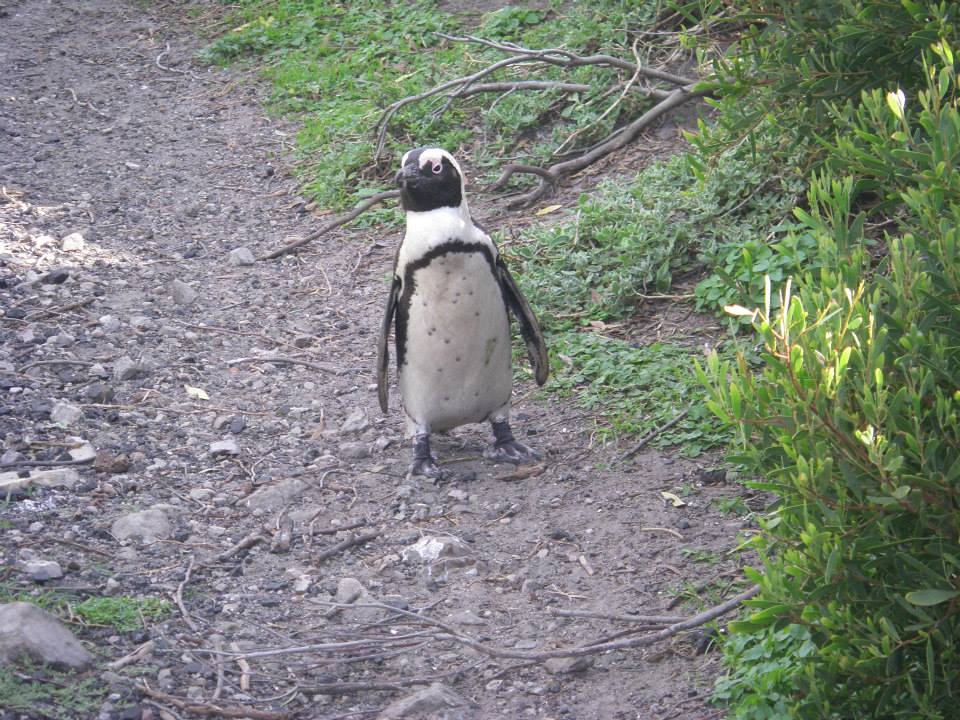
Here's a picture of a penguin I took in Betty's Bay, South Africa. How can you say no to travelling with a face like that?

Here’s a picture of a penguin I took in Betty’s Bay, South Africa. How can you say no to travelling with a face like that?

Where are you travelling to next?
15 Things 20-Somethings Say, and What They Really Mean

We’re just so cryptic, you know? Okay… Maybe, we’re not fooling anyone.

“I’m in between jobs.”

Meaning: I have no idea what my life is about anymore. I thought I knew, but that was a lie. And I realized there’s no job market for what I want to do anyway.

“What do you do?”

Meaning: Is there an opening at your workplace? Can you get me in? This is networking, right?

You have a job, you say?

You have a job, you say?

“How have you been?”

Meaning: Are you as lost and confused as me? No? Well then.

“I’m fine.”

Meaning: I’m probably not fine, but I numb myself to real life so I can keep a peaceful existence like everyone else. Oh look, wine!

“I think society is unfair to Millennials.”

Meaning: I’m secretly afraid that everyone is right about Millennials.

“I’d love to travel.”

Meaning: I spend an obscene amount of time cruising travel websites, blogs, and Cheapoair, but ultimately, I’m broke.

Yup... Won't be going anywhere for a while.

Yup… Won’t be going anywhere for a while.

“Yeah, I drive a pretty good car. It gets me from A to B.”

Meaning: My car is shit. I’m terrified it’s going to break down on my way to my job. Correction: on my way to a job interview.

“I’m job searching. It’s a rough economy, but I’m staying positive.”

Meaning: I’m freaking the hell out and I’m scared I’ll spend the next 10 years living with my parents mowing the lawn and taking out the garbage for an allowance of 20 dollars a week.

“I’m using the experience to build my resume.”

Meaning: Basically, I’m working for free.

“I’m working on my ten-year plan.”

Meaning: I have no plan. Everyone else seems to have their shit in order though so I guess I’ll pretend to too.

“I had a crazy weekend!”

Meaning: I drank wine, watched Netflix, and put off tasks that should have been done two weekends ago.

wine

“I can’t believe Super Successful Sally is getting married.”

Meaning: I’m weirded out but also kind of stressing. Should I be getting married too?

“We should meet for coffee. We haven’t hung out in forever!”

Meaning: Coffee is a nice thought, right? We always say we should but legit this time, we should. No, I’m busy next week.

“I never see you anymore!”

Meaning: I miss how close we were in college, and the fact that those days are gone makes me feel old and lonely.

“I miss college. Those were the days.”

Meaning: No one told me real life was this hard.

Could we take a moment for the carefree days we'll never get back?

Could we take a moment for those long lost college days?

8 Rules for Writing Fiction and Why You Should Break Them

I always find it funny that writers and editors always seem to have a billion sometimes-contradictory dos and don’ts when it comes to writing “good” fiction. But what is “good” fiction? I don’t want to start a philosophical debate, but one person’s Shakespeare is another’s Rebecca Black, you know? So instead of giving you a list of things that I think make good writing, I’ve decided to look at the rules, whether they come from professionals or amateurs, and I’ve taken the liberty of refuting some of them.

3__It_feels_good_to_break_the_rules_gif

8. No Prologues

Listen, I can’t say I’m a particular fan of prologues, but honestly, a lot of successful writers have used them and their work has been just that: successful. I would suggest that writers stop agonizing over this rule and focus on what’s important. Get back to the writing. Get back to the story and the characters that will carry you beyond that prologue. If it’s essential to the story, it will stick.

7. No Adverbs

I read somewhere that using adverbs is a mortal sin. Mortal sin? Really? Even worse than a flawed plot line or boring characters? I militantly disagree. A couple adverbs here and there aren’t going to ruin a piece. In fact, sometimes I like them. It’s like drinking wine: a few adverbs may heighten your experience, but a lot of them can be draining and induce headaches.

Are they really that bad?

Are they really that bad?

6. Never Use A Dialogue Tag Besides “Said”

I was on this boat once, and then I got an editor and she pointed out how dry this made my writing after paragraphs and paragraphs of he said, she said. I’m not saying writers should go wild, I’m just suggesting that perhaps spicing it up a bit may actually enhance your writing.

5. No Present Tense

Don’t get me wrong: when done poorly, this can be disastrous, but mindless copies of the same old third person narrative can be terrible too. When done well, first person has an almost fast-paced, immediate feeling to it. It also feels more personal and more artistic, kind of like the primitive storytelling that humans were good at for THOUSANDS OF YEARS. So, give it a try. If it works, perhaps your story is meant to be told that way.

true-story_1413

4. Use Only Complete Sentences

If you’re writing academically, then sure. Fiction? It can have positive effects.

See what I did there?

3. Write Every Day

It’s not that I disagree with this rule, it’s just that it’s unrealistic and puts a lot of pressure on aspiring writers who ultimately fail at this and then feel inferior for not reaching this goal. Myself included. If I could rewrite this rule, I would say Write a lot.

Life happens. People have day jobs. And school. And children. And lives. If writing every day doesn’t happen, that’s okay. But don’t doubt the need for time. Writing won’t happen when you’re asleep. Just remember, sometimes quality trumps quantity. You may find that writing every day for ten minutes may not be as productive or as enjoyable as writing for 2 hours every couple days.

2. Write What you Know

I don’t necessarily disagree with this, but I disagree with the misinterpretation this rule carries. I read somewhere once that young people made for bad writers because they were too inexperienced. The argument was that young people should go out and experience the world before attempting writing. I even heard that young writers shouldn’t even try until they had a master’s degree in creative writing. In other words, young writers don’t have enough in the “know” category yet.

Pride-and-Prejudice

I say, to hell with that, write away! Forget about what you know and what you don’t. Write something that comes from the heart. 9 times out of 10, what comes from the heart isn’t just something you know, it’s what is meaningful to the soul. Besides, F. Scott Fitzgerald’s This Side of Paradise was published when he was in his twenties and he dropped out of his undergrad at Princeton without completing. That’s not to say that a writer shouldn’t explore the world around them and get new experiences, I just caution against waiting. Strike the iron while it’s hot, if you can pardon the cliché.

1. There are no Rules

There is perhaps no rule I can disagree with more. Rules are meant to be broken, yes, but that doesn’t mean that there are no rules. Writers still have to adhere to grammar and spelling rules. Failyure to do sow results in sentenses that look like this.

So, don’t listen to those who say that there are no rules. There are. Editors judge pieces based on rules. Publishers judge pieces based on rules. READERS judge pieces based on rules. What this rule means to say is that some rules can and should be broken. Others can even add an element of artistic flair if broken in the right way. Ultimately, you decide, but know that getting an opinion from an editor or trusted reader is always valuable.

Got any rules that plain just don’t make sense?

20 Goals for a 23 Year Old

This past Friday, I turned 23! Hurray! I’m so old, right? Just kidding. I’m not that person. In any case, it’s a new year with new opportunities and I’m excited continue working to pursue my dreams of writing, travelling, and living.

Now, I obviously won’t be able to do ALL of this before I turn 24, but I plan on this being the trend for the next couple years. Maybe a 5 year plan? Either way, I’ll post updates as I make progress (or lack thereof).

20. Make good lifestyle choices. I am the worst. I suck at sticking to an exercise schedule (read: I have no time). I prefer to eat out rather than cook (read: I have NO time). I’m a sucker for sugar, sodium, and wine (read: I like comfort food).

19. Try new recipes. This builds into #20. I wanna expand my cooking abilities, especially with quinoa and couscous (I LOVE them both). Got a cooking blog? Get at me. I need inspiration.

18. Expand my short story and poetry collection. I’d ideally like to read more and write more from these two mediums. I dabble a little in them now, but I can honestly say that novel writing is more my thing.

17. Find a good TV show. I haven’t found one that’s held my interest since LOST. That ended in 2010.

Maybe I'll just rewatch LOST.

Maybe I’ll just rewatch LOST.

16. Brush up on my language skills. I’m a foreign language major but I feel like the languages I’ve studied are slipping away. Maybe I’ll start reading books in other languages again.

15. Learn a new language. My partner speaks Afrikaans and I’ve been dabbling in it for a while now. Time to jump on board and study it seriously?

14. Get back into non-fiction. I have so many non-fiction books on my shelf that I just. haven’t. read.

13. Explore the world in my backyard. I’m really good at finding places I wanna go that are far away, but not so much at exploring the places within driving distance. Anyone in southern Ontario or New England? I’m looking for places to go for weekend getaways. Suggest in the comments.

12. Buy a new car. Okay, not new, but I’m scared mine might go any day now. Maybe just a car that’s not 13 years old.

11. Clean out my car. After practically living out of it for almost two years now, it’s a joke. I apologize to any passengers who may have contracted a disease.

10. Clear out old clothes. I’ve been meaning to do this for AGES. I have so many things I don’t wear, and I’m sure I can find a good charity to give them to.

9. Get out of my city. Already decided I won’t live here. Hell, my family doesn’t want to either. Time to go.

8. Plan for the future. Where am I going? What do I need to do? Do I want to buy a house? Life insurance? A spaceship? Adult decisions everywhere!

Adulthood

7. Take more time to just be. Maybe that includes meditation. I haven’t decided. God, I’m so meta.

6. Spend more time with those I love. This one kinda bit me in the butt recently. I had someone very close to me pass away, and I kind of feel like I didn’t get to spend enough time with her these past couple years. It wasn’t that I ignored her, I just regret not learning more about her and not making more memories with her. That needs to change for the future.

5. Go on a big trip next year. And the following year. Already planning Greece and Turkey for 2015. Maybe South Africa again in 2016. Been to these places? Comment and let me know what you think.

4. Edit my next novel. Again. Just when I think it’s done, I get a publishing contract and I get self-conscious of my work all over again. My focus is of course on my first novel that will be out next year, but I want to also fix my subsequent novel so that can be released soon afterward.

3. Make and execute a kickass marketing campaign. I’m amped and planning a huge campaign for my first novel. Want to collaborate? Contact me! Otherwise, look out for it mid-autumn. I want it to be EPIC.

The best gift I received this year!

The best gift I received this year!

2. Complete a third manuscript. I already have two on the go, you say? Welp, I just can’t help myself. It’s already started.

1. Be able to live off of my writing. This is my NUMBER ONE goal. For me, writing is not about the money. I’m not looking to be famous or buy a humongous house, but I want to be able to do what I want for a living. I want to be able to make my passion for writing my work. It may not happen tomorrow, but I will stop at nothing to get there. I want to be able to support myself off of what I love.

I'm out of control.

All day, every day. In theory.

Got any goals?

Why I’d Rather Pass a Kidney Stone Than Talk About My Writing.

So far, this summer has been a busy one. I mean, I don’t know which summer hasn’t been busy because seriously, Canada only allots me about 8 to 10 good weeks of summer weather, and the rest of the time, I contemplate immigration. In any case, this means my short summers are jammed packed with social gatherings, family parties, and barbecues to enjoy the limited sun and bathing suit heat we do get. This year though, something has changed.

I’m going to be a published author.

Yay me, right? Don’t get me wrong, I’m ecstatic. This has been my life dream since before I had any concept of the real world or the feasibility of a career in writing. Well, I’m getting there and people are realizing that too.

But it’s not without struggles. In light of more editing, deadlines, and enough promotional materials to sink a small ship, I’m facing some new situations. Not all are bad: most are awesome and everyone is supportive.

But one makes me want to scream.

angry-dwight

Observe:

“So, you’re getting published, right?” Asks some distant relative, or friend of a friend, or colleague of my mom’s second cousin at that barbecue or other social event.

“Yeah.”

I shift uneasily. I can hear the words that are coming next. They resonate in my brain before they’ve even been verbalized. Abort mission, Michael. ABORT!

“Well, what’s your book about?”

There it is. I freeze. My palms get sweaty. My mouth is dry and I fumble to do something else with myself. Perhaps I need another drink. Perhaps I need to help that older lady climb the stairs. Perhaps I need to start cleaning up this mess because although this party has just started, fixing those misaligned paper plates would make me more comfortable than answering that question.

“Well, you see,” I start. “I’ve written a post-apocalyptic fantasy novel about a village of surviving humans who are stalked by mutant demons that have evolved in the jungle following Earth’s destruction.”

And then comes my favourite part: the glazed-over look in their eyes, the furrowed brow, the confusion. One of two things has happened just now: either they have no idea what I’m talking about, perhaps hung-up on words like post-apocalyptic, or they’re just frightened.

“The apocalypse?” They say. “Oh, that’s… interesting.”

That’s my exit cue. That’s when I normally reach for the vodka bottle for some social lubricant. Maybe I’ll also adjust those paper plates. Things would be much less tense if they weren’t misaligned.

But the struggle must continue. I know what’s coming next, almost like the way you can feel a bad cold by the preceding chills and slight light-headedness.

“I’ve always wanted to write a novel,” they say. “I have all these ideas and I really think I could get somewhere. I just don’t have any time, you know?”

79930-anderson-cooper-drinking-gif-f-1e83

My insides start churning. I feel like I should say something, like I should tell them that writing isn’t something you just wake up and decide to do. It’s not like buying a latte. You don’t just walk up to a writing bar, give some money to a writing barista, and then BANG! you got a novel.

Not that I mean to disrespect baristas or anyone who actually wants to be a writer, but what people don’t realize is that writing is work. Just like any job, you have to put time into it. It’s like running a marathon. I can’t get up tomorrow and place first in a 20K. I’d fail. Miserably. In fact, I have failed. Writing itself comes with a lot of failure. You gotta go through a lot of rejection before you get ANYONE who believes enough in you or in your work to take you on. I just mean to say that what this person is implying is true: yes, anyone can write. Everyone has ideas that could be novel worthy.

But being a writer? That takes more than just a half-realized fantasy and some spare time.

I don’t say any of these things, of course. Instead, I smile and say “well, you should try it some time”. And this, I actually mean. Give it a try. Set forth, my child, and write away. At least then you’ll realize that writing is more than just a finished product or a contract. Writing is work. Writing is committing yourself to a passion even with other pressures and responsibilities like a full course load or a full time job. Writing is pursuing a dream even when you’re tired and grumpy after a long day and 2 hour commute. Writing is a lifestyle.

What writing is NOT, however, is a snap decision. It most definitely is NOT something that is accomplished easily with a little spare time and a ballpoint pen.

/end rant.

Hope you all are having a wicked week!

What writing (if any) are you pushing through?


You’re Weird. Seriously. Really Weird.

Okay, maybe not just you. Everyone. All humankind (and maybe alien forms, if they exist). There are just certain things that we as human beings do that are frankly just bizarre. I’ve compiled a small list of them below. Proceed to feel awkward.

AwkwardSeal

So awkward. Maybe cute. But mostly awkward.

Kissing

So, you really like someone, right? They treat you well and make you feel good and those sparks are flying, or so they say. What better way to show that person that you’re attracted to them than by mashing your lips against theirs? And hey, while you’re at it, throw in some tongue and saliva!

Who’s idea was that? Don’t get me wrong, I like a good kiss as much as the next person, but can you imagine how weird you look? I mean, recall what others look like when they kiss — and not just a peck, I mean a real, wet, sloppy smooch.

That’s you. That’s how you look. Awkward.

Dancing

If I were an alien from outer space and my super awesome x-ray vision goggles happened to be looking through the ceiling of a dance club, I would be afraid. I would probably take my space ship and get the hell right out of there — right away from whatever that is. We flail around like chickens, virtually hump anything we can get close to, and throw our hands in the air whenever there’s an obnoxious and screeching rise in the music.

And to make it worse, we prepare for this. We spent hours grooming and getting ready to prance around like rabid, semi-conscious animals. To top it all off, once we start, we just can’t stop! Get one of us going, and it’s like a disease. We practically herd ourselves into enclosed spaces in an effort to bump and grind and we do it for HOURS.

In fact, if I were a smart alien looking to invade this beautiful planet, I would just blast the YMCA and wait until the irresistible allure to jump about sets in.

Happy_dance

Easy alien bait right here.

Waiting

Honestly, we are probably the only species on this blessed Earth that does this. When we want something, we wait our turn. Okay, cool: we’re compassionate and rational and no one gets hurt that way. What is painful though is the way in which we do this. We plop ourselves into a location, stand completely still, and stare off into space.

AND THEN, heaven forbid you try to start conversation. If you talk to anyone, you get looks and exasperated sighs. If you’re lucky, you might just get someone to walk away, annoyed and slightly uncomfortable. Because talking to someone when you should just be quietly waiting? That’s just weird.

Stand in silence. It’s more natural that way.

Laughing

Let’s go back to our kissing scenario for a second. This is before then. This is a time before your incessant face mashing (maybe not, but let’s pretend). But something else is happening. Every time that person says or does something amusing, you have this uncontrollable urge to expel air from your lungs and screech like a banshee. Sometimes, the urge is so persistent, you do this many times, getting to the point where you have trouble breathing and tears flow from your eyes.

Another note taken for the alien. Amuse the humans and they’ll become a shrieking, snivelling mess.

—–

I tried to warn you. You’re just weird. Sorry you had to find out this way.

538601_10151852107850364_741750696_n

President of the Weird Club. Yes, that’s my natural hair.

4 Things I HATE About Books

Everyone does posts and lists about how great books are, right? There’s always something like The Top 10 Books of the Summer or 100,000 Ridiculously Long Books You Should Read Before You Die, But Probably Won’t. I love those lists, but I don’t think I’d add anything original.

Instead, I’m not going to tell you what to read. In fact, I’m not even going to tell you what NOT to read (and trust me, I could name a few and save you some agony). I’ll be even more cryptic than that. I’ll tell you the 4 things that writers do that makes me want to throw their books into lawn mowers.

On nom nom, BOOKS!

1. Books that give me stage directions.

Timothy grabbed the pen and held it in his fingers. It was warm, as most pens are, and if he pressed it to the paper, it would emit the most delectable words. He held between his forefinger and his thumb and placed it to the page. He twitched his muscles in a deliberate way. He wrote a letter, curving around below the line and making a dot of smudging black.”

Do you see? This book, my friend, needs a serious copyeditor. I read a certain book like this lately, one quite popular in the YA market. It was from a trilogy about a dystopian world — maybe you’ve heard of it? Either way, if that author had cut out the mundane descriptions of everyday actions, she could’ve saved herself a hundred pages. Or two.

2. Sentences that are just too wordy.

Don’t get me wrong, I love the classics (read: adore), but these typically are the worst offenders. After a long day, the last thing I want to do is read a sentence that is longer than the book itself. I get it: spice it up, use a flowery adjective or two, wow me with your vocabulary. But invest in some periods or SOMETHING! I get to the end of your sentence and I’ve forgotten what you’ve said in the beginning.

3. Characters that can’t decide if they love each other or not.

Okay, don’t get me wrong, I like a little love story in books. In fact, I often write them into my own pieces. Love is a part of life, and it’s beautiful, and I get that. But sometimes, it makes me so angry. I just can’t stand the flip-flopping.

I love him. I hate him. He’s unreasonable. I’m unreasonable. I was wrong. But he hurt me so. He’s the worst. No, he’s not. I love him.”

Just stop. I have real life for that. A little drama is fine, but this isn’t a soap opera. The reader is not your therapist.

You aren't meant to be. We all know it. Let it go.

You aren’t meant to be. We all know it. Let it go.

4. Intellect that is out of place.

I walked into the room. She was standing there. She was pretty and I liked her.  I touched her arm and smiled. The endorphins rushed into the capillaries of my fingertips, and the serotonin in the receptors of my brain afforded me momentary contentment.”

Okay, there, Bill Nye. Tone it down. I know your writing was bland before this moment, but big words are NOT the answer. If your entire book is written that way then fine, bring it on. But don’t just add in intellectual banter to change it up. When that happens, it feels so random, like the author needs to prove to everyone that they are smart or something. We get it. Hell, you wrote an entire book. You need not prove anything!

—–

AND you know what’s even more infuriating than this list?!

When I find myself doing these things in my own writing. It makes me cringe. Don’t do it in yours. Consider yourself warned.

3 Things I Learned While Backpacking the World

There I was: I’d just finished my Bachelor’s degree, I’d worked 4 jobs to pay for my tuition, and I took my remaining money to fund my dream trip through South Africa and Europe. I spent two months away from my little Hobbit hole in southern Ontario, visited 10 countries, and took more trains and planes than I can even fathom (though, I now have an aversion to ticket machines. Stress level through the roof).

Sounds amazing, right? Well, it was. But it wasn’t just because I got to see all the places I’d only ever read about on Wikipedia. I happened to learn a few life lessons along the way.

1. Travelling is Fantastic Inspiration

It’s no surprise that I’m a writer. I live, eat, and breathe writing. I talk so much about it now, I make myself nauseous – and everyone else, I’m sure. Shameless self-promotion has become my best friend (check out my page for the latest release details for my first novel).

However, before leaving on this trip, I’d hit a wall. I felt drained, uninspired, and not enthusiastic about my work. But that all changed. Travelling was like breathing fresh air. I’d seen so many places and met so many people of differing life stories that I found inspiration from things I would never have encountered within my everyday 50-kilometer radius. It gave me new experience to draw from. It gave me a new sense of purpose and motivation. I came back ready to pursue my dreams.

2. The World Isn’t Such a Bad Place

Grab a pillow: it’s story time. I was still in undergrad. I had this dream of uprooting myself for a bit and going away. So I did. South Africa was the first stop. I went with a fantastic group of people, and our flight actually started us off in Johannesburg.

You should have seen the reactions I got when I told people.

“Johannesburg?” Someone said. “Be careful! It’s a dangerous place! You could get killed.”

Real talk for a second: Johannesburg can be dangerous… but so can everywhere else. All it takes is the wrong place and the wrong situation and bad things can happen. Hell, I got mugged in my own neighbourhood – and it’s a pretty safe neighbourhood!

The point is, there’s a lot of good too. Most everyone I met while travelling was awesome. I never found myself in a situation where I felt unsafe. If anything, people were eager to meet me and to help. Not everyone was an axe-murderer who wanted to steal my money.

Look! I didn't die!

Look! I didn’t die!

3. There’s No Place Like Home

But you already knew that, right? I mean Judy Garland said it like 8,000 times during the Wizard of Oz, and I adored that movie as a kid.

But I guess I never really internalized it. It’s one of those situations where you never really realize what you have until it’s gone. Halfway across the world, I missed my family and friends and my partner of two years. Even when I returned, it was like I saw things in a new light. I appreciated all the people who supported and loved me. I even appreciated all the things I had found draining or mundane.

And I appreciated my car. God, did I miss my car. (Cue ticket machine-induced stress).

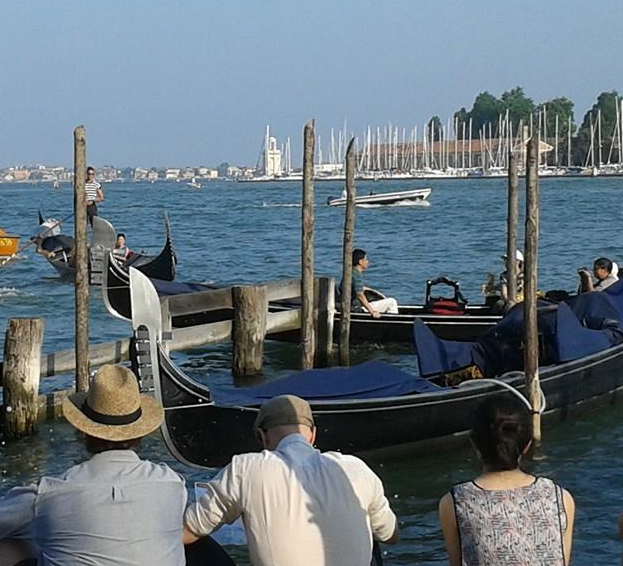
Gondola, you say? Where's my car?

Gondola, you say? No, no. Car, please.


Where have you travelled? What did you learn?

The 7 (Agonizing) Stages of Self-Editing Your Fiction

A look at common struggles a writer encounters while perfecting their masterpiece. Or trying to, at least.

DISCLAIMER: This is not a how-to. This blog cannot be responsible for work that gets lost in editing oblivion. For a how-to, run a Google search. Or join a writer’s forum. I like this one.

Stage 1: The Post-Drafting High

You’ve just finished your piece. The characters are realistic and complex. The descriptions are captivating. The twist at the end: no one will see it coming. NO ONE. Congratulations! Good job, you. This is what you live for. Now, go out and get a beer. Hell, get two! Dance. Make some questionable life choices.

Enjoy it now, young grasshopper.

Stage 2: The Pre-Edit Low (aka. What the Hell Have I Done?)

So, you’re ready to work. You’ve recovered from that hang-over and you’ve corrected all those questionable life choices, though there may still be some photo evidence on Instagram. Go check.

In any case, the document’s open, your title page looks spectacular, and you’ve spent the last hour and a half deleting extraneous tabs and trailing paragraphs.

Now: let’s do a quick read-through. Let’s look out for continuity errors, major plots holes, and breaks in character building. Maybe you should consider reworking that second paragraph. And the next chapter. And the whole middle part. Hell, this looks worse than you remember, doesn’t it? Who wrote this? Clearly, you didn’t. Your IQ is higher than a chimp’s, yet it seems like the chimp could poop out a better manuscript while sleep deprived, post-spicy burrito.

What have you done? All that planning (or lack thereof) has gotten you nothing. The voice is off, your main character is annoying, and that plot twist? Predictable.

Well, fine. I guess you’re rewriting the whole damn thing.

Stage 3: The Rewrite

After recovering from the emotional damage of discovering the story you’ve been working on for the past millennium is terrible, it’s time to do a rewrite. This can consist of just specific parts of your manuscript or the entire thing, but it largely consists of crying, outbursts to family and friends, and reconsidering your choice to become a writer (whose idea was that?).

But hey, maybe this isn’t so bad. You could take that stock character and give them an epic side story. And that twist? Tweak it a bit, and BAM! One hundred times more unpredictable than before. This is actually kind of fun. This is the reason you became a writer in the first place: to WRITE! But don’t get too ecstatic. Most of the good stuff comes from editing after all, remember? That’s why you’re here.

Stage 4: The Break.

You’ve worked hard, right? Why not take a break? Go for a run. Go read a newspaper. Go clean out those drawers in your bedroom that have been overflowing since spring (read: since two springs ago).

But who am I kidding? You don’t wanna do any of that. You’d rather obsessively refresh your Facebook feed then binge-watch Game of Thrones on Netflix while drowning your sorrows into a litre of cookie dough ice cream and a bottle of coke.

Now, that’s a break. Am I right?

Stage 5: The Deadly Cycle of Procrastination

It’s been a couple days. Your Game of Thrones marathon quickly led to Catching Up with the Kardashians and then cat videos on YouTube. However, you’re experiencing a revival of determination. Or maybe it’s that gnawing feeling of idleness.

Either way, the line-by-line is next and that’s going to take the longest. But maybe you should do some laundry before you get started. And feed the cat. Oh, don’t forget to call Mom. She misses you. Your whole family misses you. How about a barbeque? The weather is warm and your social interaction has been subpar lately. Maybe an evening with a bottle of wine. That would be nice.

Do you see? It won’t end.

Seriously. Editing. Go.

Stage 6: The Copyedit

This is the most tedious part – however, also the quickest. This is the part where you drive yourself crazy about your grammar and cut down on the wordiness. No passive sentences, you say? And saidisms? You mean, you can’t use he articulated and I phonated? And heaven forbid you make up your own character or location names. Your word processing program is going to love pointing those out.

(Psst. Add them to your dictionary. Save yourself the agony.)

Stage 7: The Post-Edit High

You did it! You’ve survived your self-edit with your fingers intact and perhaps a shard of your sanity. Never fear though, what comes next is quite possibly the thing you’re looking forward to the most: MORE EDITING!

“What?” You ask. “I thought I was done.”

Well, think again. If you’ve got an editor or a trusted beta-reader, they’re going to have some useful thoughts. Besides, let’s be real, this is what you live for. There’s nothing that compares to a nice and polished manuscript that’s ready to take on the world. Well, maybe a published manuscript could compare, but you’re on your way there anyway!

Happy editing!

POST-SCRIPT: No chimps were hurt during this editing cycle. Or force-fed burritos.