My Ghost Story: The Yellow Room (Hello, Poppa) by Michael Cristiano

This Halloween, Curiosity Quills authors are spreading the spookiness by sharing their own personal paranormal experiences. Get haunted with these bone-chilling blogs, or post your own! #myghoststory.
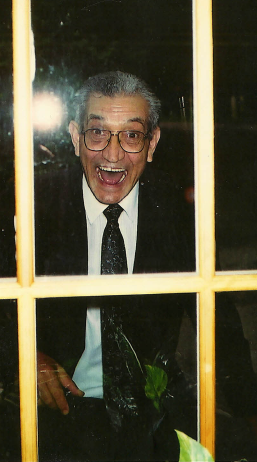
Poppa IWe called my maternal grandpa Poppa and he died in 2001 when I was ten years old. His death was sudden: into the hospital one day and then gone the next. No one saw it coming and he was relatively young, just shy of his 67th birthday.

The death was hard on us: my immediate family was devastated, my extended family was devastated, and my Grandma was never quite the same. But even though he had departed from us, he didn’t necessarily go away. Following his death, we began to see signs that he was still around.

The day of his funeral, my father and I sat outside the church just after the service. I was especially upset. Poppa had been my best friend. I would skip school and pretend to be sick just to hang out with him. While I was sitting there, I felt something flutter by my ear. I looked up and saw that a butterfly circled me and my father and then swept across the parking lot to the remainder of my family. It went up to each family member and finally to my Grandma, where it lingered the longest.

A butterfly, you say. I’m supposed to be convinced of your ghost story by a little butterfly? Well, those butterflies didn’t go away, not around my house or the house of my family in the months to follow. They lingered near the windows and around the parked cars, greeting us whenever we went outside.

Other strange things began to happen around my house too. I woke up once in the middle of the night and went to the bathroom. From where my room was, it was easy to see the landing and the stairs. Though it may have been my overactive imagination (I’m a writer, remember?), I saw a shadow at the bottom of the stairs. As I ran from it, as overactive 10-year-olds do, I barricaded myself in my room and turned on my light. I calmed myself and just as I did, I heard a noise: a thud not far away. I looked into the corner of the room where a picture of my Poppa and me usually stood on my desk.  It had fallen over onto the floor.
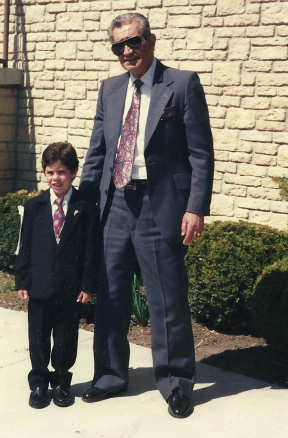
The photo that fell over in my bedroom. My Poppa and me at my first communion, circa 1998.

The photo that fell over in my bedroom. My Poppa and me at my first communion, circa 1998.

Most creepy of all, my mom and my aunt went to a psychic as a way to get some closure. According to my mom, the psychic guessed that my grandfather had passed before either mentioned it, but she also went on to say something else. I normally don’t believe in psychic abilities, but even this surprised me. The psychic told my mom that my Poppa was still around—in fact, he was in our house.

“He’s in the yellow room,” the psychic said.

“Yellow room?” My mom asked. “We don’t have any room painted that color.”

But apparently we did. The psychic was adamant. My mom went home confused and with a little less closure than she wanted. In any case, she went on with her life, slowly overcoming the loss of her father and returning to normality. One day, my mother sat in the study working on one of her freelance writing projects. She turned on the lamp beside her, the sun setting as she worked well into the evening. When her eye caught sight of the wall behind the computer screen, she put her hand to her mouth.

Though the walls were white, the fabric of the lampshade was a light gold. It illuminated the room and shone on the walls. My mom was sitting in the yellow room.

Years passed and the butterflies went away and sure, I was still running from shadows, but they were largely fueled by raging hormones and high school jitters. One day, I was home alone studying for my grade nine English exam. We had just gotten a dog, a beagle-basset hound cross named Tessie. During my cramming, the dog started barking. She only ever did when someone was at the door but when I went downstairs, there was no one there. Instead, I found her in front of an antique chair in the study that Poppa had given my parents, sitting and barking and wagging her tail.

I turned on the lamp.

Hello, Poppa.

—–

Links to other stories:

J.E. Anckorn

Samantha Dunaway Bryant

Katie Hamstead Teller

This story can also be found on Curiosity Quills’ website here.
30 Things that Cross Your Mind at a Dance Club

1. I’m too early. There’s no one here. But everyone said we were meeting at 10:30. Geez, I look like a loser. There’s not even anyone on the dance floor. Maybe I’ll just get a drink.

2. Yay, friends. More drinks. Wanna drink? Let’s drink. Excellent.

3. “How are you?”

4. I didn’t actually hear anything you just said.

5. Why is everyone just standing around. Did we all come here to stand around or did we come here to dance? No, I’m not going first.

6. Where’s the DJ in this place? I hear music, but I see no one. Oh, there he is.

7. Look at the eager beavers out there on the dance floor. There’s four of them, but look! They’re owning it. Should we go? We should go. Naw, you’re right. Let’s wait.

8. Should I be the one to haul all my friends out there? No one’s moving. Anti-social Andy doesn’t even look like he wants to be here.

9. Ahh, the music’s loud. It’s hurting my ears. How can anyone stand this, let alone enjoy this? I don’t even wanna dance. I knew I should have stayed in tonight.

10. IT’S MY JAM! Dance floor, dance floor, dance floor, dance floor.

11. We’re jumping, we’re jumping, annndd bass drop. Someone just touched my butt.

12. And I just saw private parts. Time to look up. Hands in the air. Look back down. And there it is again. What the hell was that person thinking? Get some underwear!

13. No, don’t try and squeeze through here, buddy. Don’t you see me dancing? Go around the dance floor. Yeah, that’s right.

Sorry, bro. I'm dancing here!

Sorry, bro. I’m dancing here!

14. Random dude dancing near us. Oh, he’s coming closer to Modest Molly. Does she want it? Do I save her? Maybe she can read stares. Do you need help? Do you need help?

15. Oh, there’s the nod. Fancy a dance, Modest Molly?

16. Okay, I’m hot. I need to get off this dancefloor. I think I’ll go outside.

17. God, it’s cold out here.

18. I gotta pee but I know the bathrooms are gonna be disgusting. But I can’t hold it anymore.

19. This bathroom is worse than I thought it would be. I’m not tipping the bathroom attendant.

20. Thank you, bathroom attendant, for the paper towel. I shall bestow upon you 2 full dollars.

21. Hello, bouncer. No, I did not vomit in the stall. Look: shiny, clean. Now, time to walk straight. Wave. Act natural. Right foot, left foot.

22. I just waved at the bouncer. He totally knows I’m drunk.

23. Bartender. Bartender. Make eye contact with me! God, I think he’s avoiding me. Look! I got money in my hand. Yup, there you are.

Wait, those aren't mine...

Wait, those aren’t mine…

24. This drink is totally only vodka and ice. What happened to the 7up?

25. What song is this? Why does everyone know the lyrics except for me?

26. HA! I know this song. That’s right. I’m current too!

27. Where does one put empty cups in this establishment?

28. And Anti-social Andy is gonna be sick. I swear, can we go one time without this happening? I’m getting too old for this shit.

29. Oh, there it is. Thanks, Andy. Yeah, we’re leaving.

30. Do you think the taxi driver will go through the McDonald’s drive-thru?

5 Ways of Balancing Your Writerly Life

One of the biggest challenges I have as a writer has very little to with writing and very much to do with time and motivation. After spending eight hours at a 9-to-5, writing often gets left out of the weekday equation, especially when other commitments like personal upkeep, maintaining relationships, and sleep also demand attention. And even when a writer gets around to the half-hour of writing time, it almost never pans out the way we want it too, too commonly fraught with distraction, pressure, and a lack of motivation.

But never fear! Some tips for balancing your writerly life are here!

Welp, I may be able to squeeze in some writing time at 4 am next Tuesday.

Welp, I may be able to squeeze in some writing time at 4 am next Tuesday.

1. Make Time to Write

Seems simple enough… Yet, for me, it’s the single hardest thing to do. I find that unless I actually set aside time to get to my computer and work on something, I won’t. It’s not that I don’t want to do it, because I really do love what I do, it’s that time slips away easily when we’re busiest. In fact, sometimes I go a couple days without doing any writing at all, and yet it feels like no time has passed.

In between all that homework, 9-to-5 work, socializing, exercising, cleaning, laundry, cooking, driving, and sleeping, it is essential to take a chunk of time and dedicate it to writing. Some writers and bloggers stress that this should be every day, but I don’t know what world they live in. I would aim for at least an hour or more every couple days. And put that in your calendar (or as an alarm on your phone). If you make yourself obligated to get up every morning, sit in traffic, and go to work, then make yourself obligated to doing something you love.

2. Make Time to Relax

There’s nothing more annoying than sitting down for a writing session and discovering that you’re just too damn tired, jaded, and agitated to be productive. And to make matters worse, I instantly get more agitated when I’ve set aside time to write and I just don’t feel like doing it.

For me, writing it not just a hobby and potential job. Writing is a state of mind. And frankly, it’s hard to tap into that state of mind after frantically buzzing around an office all day, sitting in traffic, and then balancing the responsibilities of being a semi-functional-but-trying adult. To counter this anti-inspiration lifestyle, I generally take a half hour before a writing session to set the mood, so to speak. I’ll do some reading, turn off the technology, and sometimes listen to some music to set the tone. I find this allows me to approach my writing with a clear head instead of trying to combat all the other fleeting thoughts while I’m trying to focus.

3. Remove the Pressure

This ties into my previous piece of advice. I like to call this performance anxiety. I spend all day telling myself that I’m going to write and I’m excited to do so and then I build it up and before I know it, I’ve committed myself to churning out 3,000 words in the 25 minutes I’ve allotted to writing. And then when I fail, I feel guilty and angry with myself.

Take away the expectations and attempt to write in a stress-free manner. I would even go so far as to not worry about a word count. Instead of setting yourself a requirement to write 1,000 words in a given sitting, try just writing any amount of words at all. Lowering your expectations leads to no disappointment and a healthier pro-writing mindset. You might even be surprised at how productive you can be if you allow yourself the freedom of no word count.

I don't care how cute you are. You're distracting me!

I don’t care how cute you are. You’re distracting me!

4. Cut the Distractions

That means Facebook. And Twitter. And the 100,000 fail videos on YouTube. While you’re at it, tell those around you that you’re taking the time to write and they should only bug you if zombies are taking over the world or if the house is on fire. Last but not least, turn off your phone. I can see mine staring at me right now and there’s nothing he likes more than ringing when I’m trying to get into the mood to write.

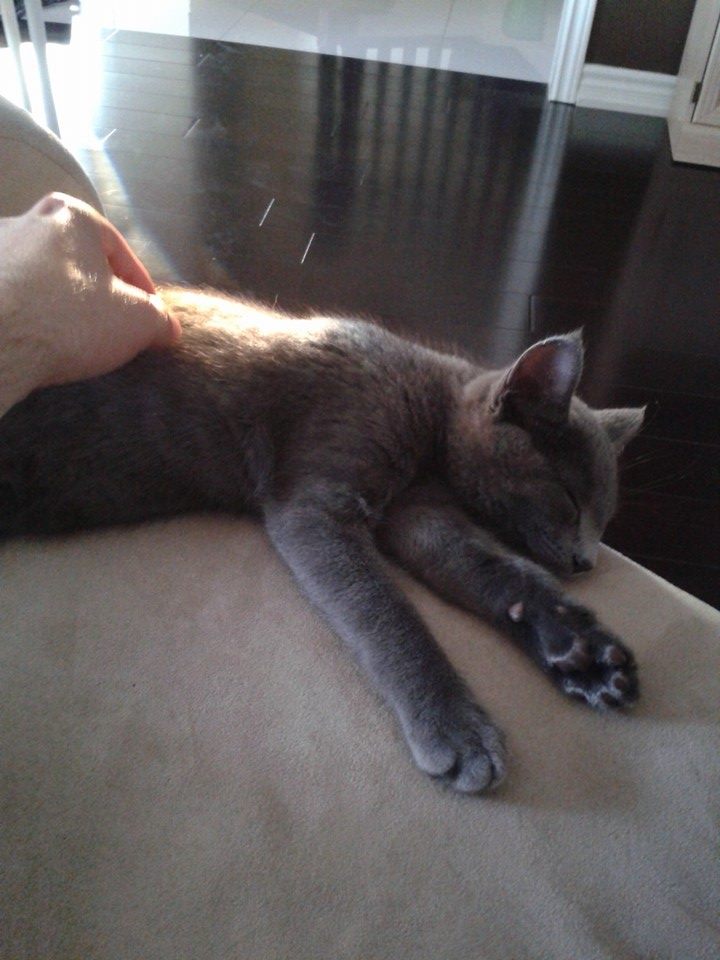
And put the cat away. Like the phone, he can smell antisocial behaviour from a mile away, and attacking your foot is the only solution.

5. Don’t Force It

Now, I’m going to give you some advice, and MANY a writer disagrees with me: don’t write if you don’t feel like it. Don’t get me wrong, sometimes we all need a little push to get the words flowing, but other times those words ain’t gonna come unless you drag them out by their underpants. And who wants to be dragged out by their underpants?

Listen to your muse. If it’s not going to come, don’t waste time and toil over it. Return when you feel ready.

Surfacing by Margaret Atwood: Too Much Literature, Not Enough Storytelling

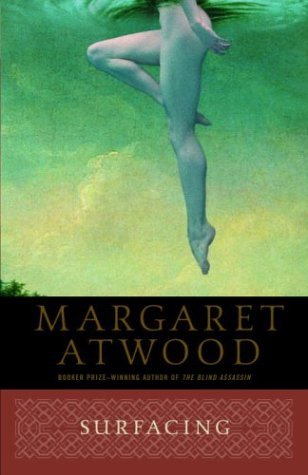
46755Surfacing is Margaret Atwood’s second novel about a woman who returns to her isolated hometown in the middle of nowhere, northern Quebec, after her father goes missing. Once there, the unnamed main character falls apart as she confronts her past and present failures in love, loss, and family.

To start, I love Margaret Atwood. She is by far one of my favourite authors, and my favourite Canadian author at that. I’m a huge fan of the Maddaddam Trilogy, The Handmaid’s Tale, and The Robber Bride.

I have to admit, though, Surfacing is my least favourite novel by Margaret Atwood.

The Good

Surfacing is typical Atwood in one very good way: the prose is on point. In my opinion, Atwood always has a fresh, unique, and tantalising way of writing. Her voice is so well-developed and effective that I’ve used it as an inspiration to develop my own voice as a writer. This book is no exception. The voice is strong and the atmosphere she creates is admirable.

I also love Atwood’s exploration of themes. I get a little angsty when books go skimpy on theme exploration, but that it is something Atwood never overlooks. I enjoyed her exploration of isolation, especially the frantic, devolutionary descent into barbarianism that the main character experiences at the end of the novel. As usual, this novel also features commentary on the objectification and alienation of women, a theme that Atwood frequently explores in her work. Considering this novel was published in the 70s, the commentary on the social expectations of women is still very applicable to today, especially in the wake of the recent resurgence of Feminism in the mainstream media and the iCloud photo leak scandal.

The Bad

I hate to say it, but this novel features very little plot. I understand the idea of creating a novel that is a character study, but the revelations that the main character has at the end of the novel seem to come from nowhere. The main character spends a lot of time reliving her past, being bitter about her failed marriage, and isolating herself from the world around her that when she has her all-you-need-is-love epiphany in the final scene of the novel, it seems out of place and unnatural.

Further, Atwood’s prose is so layered and meaningful that it almost brings the book down. Now, I am a big fan of literary fiction, but holy cow. Atwood’s prose was so layered and so meaningful that at times it seemed to lack even that: real meaning! The metaphors were a bit much and they left me confused and feeling like I had misunderstood what the novel was even about.

The Boring

I hate to say it, but at some spots, this novel was just boring. I feel like I as a reader couldn’t see the storytelling forest through the literary trees. That is to say that Atwood was so caught up on creating smart, impactful, metaphoric prose that she lost sight of creating an actual story — and I love Atwood for her storytelling. She has a knack for it, but at the end of reading this novel, I realized that Surfacing wasn’t really about telling a story at all.

I guess I’m just a little disappointed, I have to admit. But I guess she’s allowed one book that isn’t my absolute favourite, right? If you’re new to Margaret Atwood though, I’d suggest starting with something else. Perhaps Oryx and Crake or The Handmaid’s Tale.

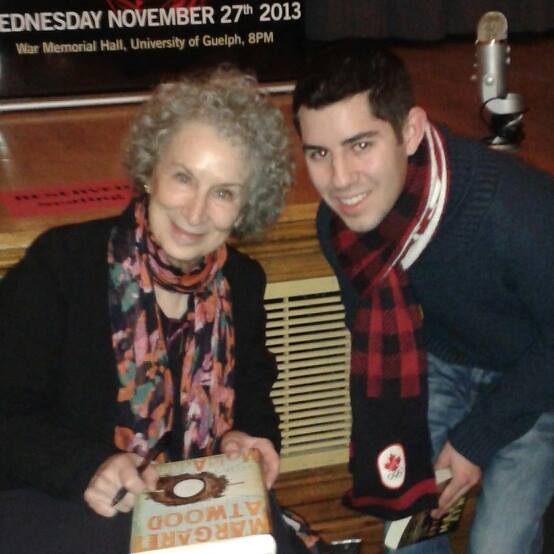
PS. Here’s a photo of me and Margaret Atwood to make me feel better. I met her at a reading and signing in Guelph, Ontario. Despite my lack of admiration for Surfacing, she is a great inspiration to me and my writing. She’s actually my hero.
One of the happiest days of my life!

One of the happiest days of my life!

How to Write a Query Letter that Makes Agents and Editors Swoon

This is a response to my earlier post called Why Your Query Letter is Making Agents and Editors Cringe. I’m so meta, right?

Writing a query letter is an art, they say. What they really mean is that it’s really gosh-darn hard. It seems that everyone and their sister thinks they can write a query letter, but out in the real world, it fails. Miserably.

That’s what happened to me. I thought writing a query letter was easy. I composed one in a couple hours and unleashed it onto the world. Little did I know, it was crap and yielded no return. It wasn’t until I joined the Absolute Write and participated in their forum that I was able to learn how to write a query letter properly.

Now, I shall bestow my knowledge upon you.

Step One: Write a Manuscript

A given, right? Wrong. I am a big advocate that writers complete their entire manuscript before they attempt to write a query letter. Yes, I know querying seems exciting for you right now. Yes, I know you think you’ve struck gold and you absolutely NEED to tell someone. But you need to finish. And when I say finish, I mean beta-read, edited, spit-shined, and all.

Why? Well, how can you write a clear, concise, pristine query letter if your manuscript is not clear, concise, and pristine. So, get back to writing, grasshopper! Your day in query letter hell will come.

stop-sign_w725_h544

Step Two: Learn the Anatomy of a Query Letter

A query letter is generally broken into three parts:

  1. The Hook
  2. The Story
  3. The Credentials

This is the basic structure that writers follow. Yes, there are little variations to this structure, but they generally only occur if a specific editor or agent requests said variations (and they will make such requests and other specifications on the submissions page of their website). Otherwise, it’s safest to stick to this model. Remember, you are writing a proposal for your product (ie. your novel), not taking over the world with your revolutionary literary prowess.

Step Three: The Hook

The Hook is just what it seems: it is a small paragraph, normally one to three sentences, that will draw in a reader, hold tight, and make them want to read more. Think of it like the deep, intense voice that begins movie trailers. A lot of writers will use a When-clause, but it’s not always necessary. Here is an example of a When-clause:

“When Harry Potter discovers he is a wizard, he enrols in Hogwarts School of Witchcraft and Wizardry and uncovers a dark magic, one that threatens to take over the wizarding world.”

With that hook alone, it’s easy to identify three things: the main character, the location, and the gist of the plot. In theory, this should be enough to force the reader to read the remainder of the query letter, but don’t forget to make it sound pretty. You’re selling your amazing writing skills, after all.

Step Four: The Story

The Story is, again, just that. It is the plot of your novel, concise and juicy, giving away just enough to entice. It is important not to overwhelm your reader with too many details. That generally means that you should stick to your main character, no more than two supporting characters, and the chief antagonist. Also, it is essential to stick to the MAIN PLOT. Again, the OVERARCHING PLOT. I know you love your subplots, but those do not belong in your query letter. They will overwhelm the reader and crowd your query letter.

crowd

Reading your query letter shouldn’t feel like trying to find a small child in a crowd.

Now, I’m not one for outlines. I very rarely outline a story and when I do, it’s such a loose outline that it’s barely an outline at all. But the query letter is different. You absolutely should consider an outline. Why? Well, let’s try a little experiment. Take your current novel and try to sum it up in 150 words or less. Hard, right? Even if you were able to do it, I bet I didn’t sound beautiful and I bet you left out details that you’re dying to include.

The outline will help with that. To outline, I normally use the Three Question Method. This helps writers to focus their query and be sure not to forget the most important elements of the plot. Each query letter should strive to answer these three questions (taken from the Absolute Write forums):

  1.  What does your protagonist want?
  2.  What does s/he have to do to get it?
  3. What happens if s/he fails to get what she wants? (the stakes)

Once you’ve answered these three questions, you have the bare bones for a query letter. Essentially, you want this paragraph to read like the blurbs on the back of books. You want it to entice and you want to detail the plot, but leave it open-ended.

Step Five: The Credentials

This is the part where you talk about yourself. What other work have you gotten published? What qualifications do you have? Don’t have any of that? That’s really okay, but what inspired you to write this story and what makes YOU the person who should tell it?

Also, the second part of this paragraph should cater to the person you’re sending it to. Why did you choose said agent/editor/publisher as a candidate for your work? This will include some research. Look at other titles your agent/editor/publisher has worked with. Look at their blog, Twitter or Facebook pages. This is the part where you personalize your letter and don’t go skimpy on this part. They will know if you’re lying or if you haven’t done your research.

Lastly, do NOT forget to include the title of your manuscript, the genre and the word count. This is generally done in the first sentence of The Credentials paragraph.

Step Six: Get Feedback

This is perhaps the most important step. Have a writer friend? A beta-reader? A brutally honest friend who likes to read? Have them look it over. Does it entice them? Are they able to understand the main pillars of your plot? If you answer no to these questions, an agent or editor will to. Revise, revise, revise, and if you send it out to prospective literary personnel and get no bites, revise again.

Finally, don’t be discouraged. Querying is a long, labouring, and often fruitless process, but all writers go through it. Besides, all it takes is one yes.

——-

And it’s a simple as that. Good luck!

Papina: Love, Drama, and Murder… Oh my!

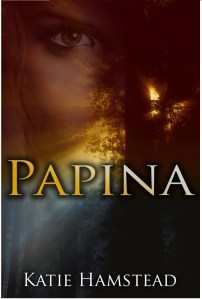
PapinaBraydon Miller and her husband Forrest move to the small town of Papina to raise a family. And that is about the time when their picture-perfect life comes to an abrupt stop. Forrest goes missing and the only person who knows what happened to him is Nova, a troubled teenager from the native reserves. Except Nova is so traumatized that she won’t speak. When Braydon Miller takes the girl in, the rollercoaster begins, one fraught with love, heartache, betrayal, and enough twists and turns to last this sleepy town in the American Southwest a lifetime.

I can honestly say that I liked this release. I normally don’t read mystery or drama, but I was pretty intrigued by the plot and the characters of Papina. To me, Katie Hamstead did a lot more than create a who-dunnit novel – she explored what happens behind the scenes of a murder trial and detailed the drama that ensues. Papina is a town ridden with complex relationships, a complex history, and even more complex characters. Learning about these characters and their pasts was one of the best parts of Papina!

Right from the beginning, I was trying to figure out who the culprit was. Trust me, there are a lot of characters with motives and as the story developed, I was suspicious of every one of them at least once. Hamstead fleshes out each character and gives them an in-depth backstory, one that helps paint the picture of a small town where everyone knows everyone else’s business. More than once, I read something and was like “NO. WAY.”, and even the details revealed about the Braydon and her husband made me question what exactly was going on. Hamstead definitely has a knack for storytelling and for weaving complex, believable characters into her stories.

I’m not going to lie, I did find myself feeling like Papina was a tad fluffy in the beginning, but I’m happy to say I was wrong. I was a big fan of Hamstead’s inclusion of topics that were a little heavier. She touches on race and native issues, and also flirts with the domain of LGBTQ+, even if a little too briefly. One of my only criticisms was that I feel Hamstead glossed over these topics a little too much when she had a prime opportunity to explore them more deeply in this novel. But perhaps she’s waiting to do that in the other books in the series (yes, it’s a series 😉 ). Other than that, there were a few spelling mistakes that were a little distracting, but they did not take away from the meat of the story.

All in all, it was a good, light read, but also one that had its thrilling moments. And for all you mushy-folk out there, I’m not big on romance, but it was kinda steamy, okay?

You can purchase your copy of Papina here. You can check out Katie Hamstead’s blog here.

Top 5 Lesser-Known Places You NEED to Backpack!

I haven’t done a travel post in a while and I’m not going to lie, the travel bug is biting again. So, while I’m planning my next backpacking trip, I’ve also found myself looking through photos and reading my travel journal and it’s making me pretty damn nostalgic. In doing so, I’ve realized that a lot of my favourite places have been the ones that not a lot of people have been to, let alone know about.

Here’s my top 5 lesser-known places that you need to visit RIGHT NOW!

5. Sint Maarten / Saint Martin

I went to Sint Maarten with my family when I was in my first year of university. To be honest, I had never heard of it before. In Canada, when we think Caribbean vacation, we generally stick to Cuba, Jamaica, Mexico or the Dominican Republic.

After going to Sint Maarten, I’m kind of glad we decided not to go to any of those places. While we were there, we didn’t stay in a resort — we rented a villa. Normally that would be considered risky, but the island is extremely safe. We even walked around at night in the city, without once being stopped. On top of that, the island is beautiful and relatively unspoiled by the resort vacation culture. I’ve never been a fan of resorts, so I was so excited to be able to experience the island like a local. And it’s an awesome thing too! We got to tour the old colonial Dutch and French forts in our own rented car!

Also, Maho Beach is definitely one of the oddest yet most exhilarating experiences the island has to offer. The beach is located behind the Princess Juliana International Airport and is known for the aircraft that fly in close proximity to the beach and beach-goers.

The photo below is not photoshopped.

30400_395400680063_5798025_n

4. Durban and KwaZulu-Natal Province, South Africa

Never before in my life had I thought I’d be able to see and swim in the Indian Ocean. Well, on my trip to South Africa, I got to do it! And it was amazing. To be honest, I didn’t do much when I was in Durban, but I didn’t need to. I spent a great, lazy day lounging on the beach and stayed in a very affordable hotel that overlooked the ocean. The weather was hot and the beach was vacant when we went in May as it was the southern hemisphere’s autumn. The locals thought 25 degrees Celsius was chilly… Whaa?

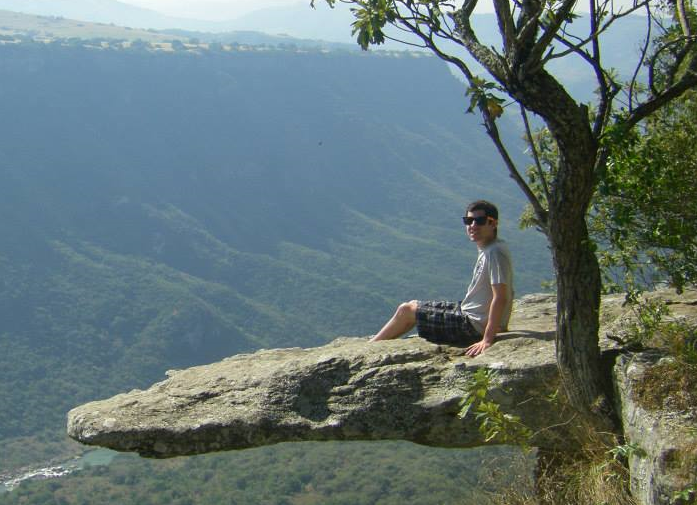
Also, the Oribi Gorge is just an hour drive from Durban and it offers stunning views of KwaZulu-Natal and this terrifying, epic opportunity to sit on Leopard’s Rock.

3. Luxembourg City, Luxembourg

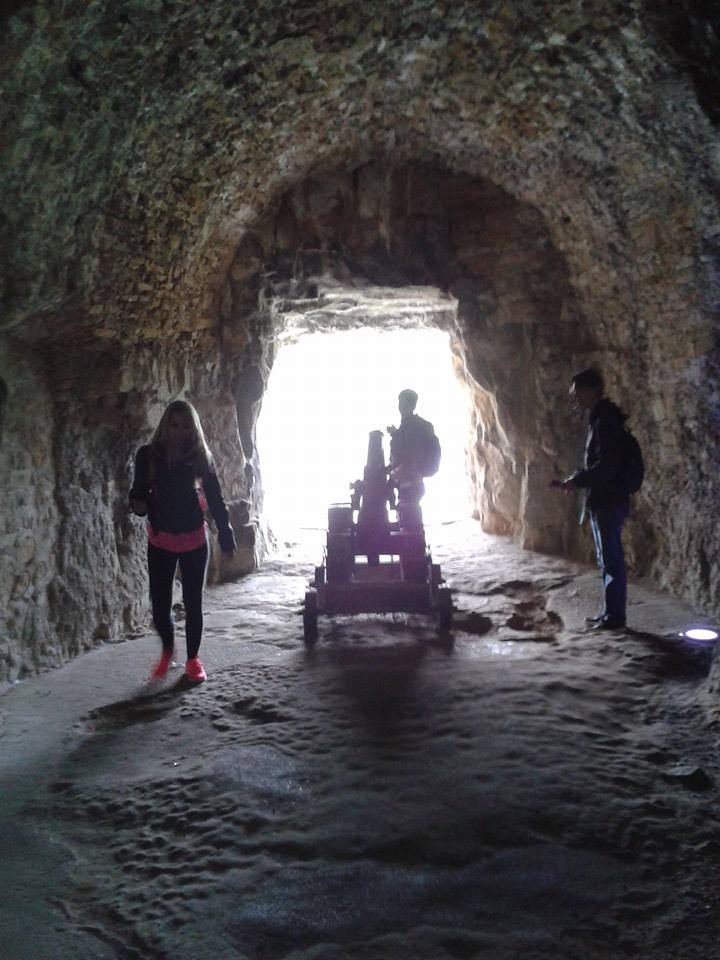
Inside the Bock Casemates!

Inside the Bock Casemates!

I’ve been to Paris and I loved it. And then I went to Luxembourg City. To me, Luxembourg has the same feel as Paris, except it has half the tourists. Its cobblestone centre is romantic and historic, and Luxembourg itself has a rich history of struggle and triumph. Furthermore, the city is built on a beautiful landscape of gorges that offers stunning views of the city and the Bock Casemates. The Casemates are a network of caves that once served as the city’s defense against its multiple invaders. For around 10 euros, you can explore them all on your own!

All in all, Luxembourg City is a little expensive, but if you’re looking for a romantic getaway and you’re tired of the crowds of Paris, definitely give it a try.

2. Piran, Slovenia

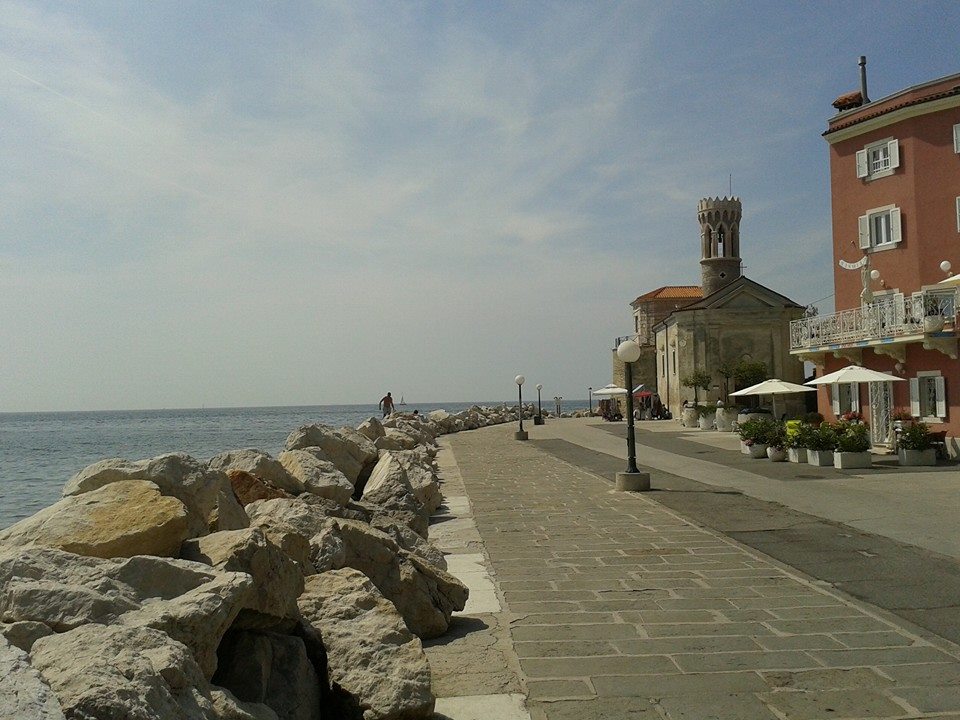
If you’re looking for somewhere semi-remote on the Mediterranean, then Piran is the place to go. Piran was once part of the Roman Empire and its car-free centre has narrow passageways that are very similar to Venice. The best part? It is inexpensive and relatively tourist-free! If you can handle going a little out of your way to get there (it took us two lengthy bus rides from Ljubljana and almost getting lost on the way back), then this is a great place to sail on the Mediterranean, enjoy amazing sunsets, and wander the narrow streets of the city centre. We spent an entire day exploring and swimming, and my only regret was that I didn’t stay there longer!

10402529_10152067915905064_4660109703796381249_n

1. Cape Town, South Africa

It’s funny, people always talk about how beautiful Cape Town is, but to be honest, I’ve met very few people who ACTUALLY have been there. I understand it is a little out of the way for the average North American backpacker, but seriously, it is worth the flight(s) and possible lay-over.

When I landed in Cape Town, I had one thought: beautiful. And I’d been backpacking through South Africa for a full week and a half previously. Seriously, the landscape is amazing. We spent a lot of time driving around and the only negative I can think of was that we didn’t have enough time to stop and get out of the car at every single gorgeous view. On top of that, Cape Town is home to a penguin colony at Betty’s Bay and there are various opportunities to go shark cage diving, two things that made my time in Cape Town unforgettable.

And the weather is perfect. Your average South African finds 22 degrees Celsius chilly on an autumn day, but I invite them to visit Canada in October.

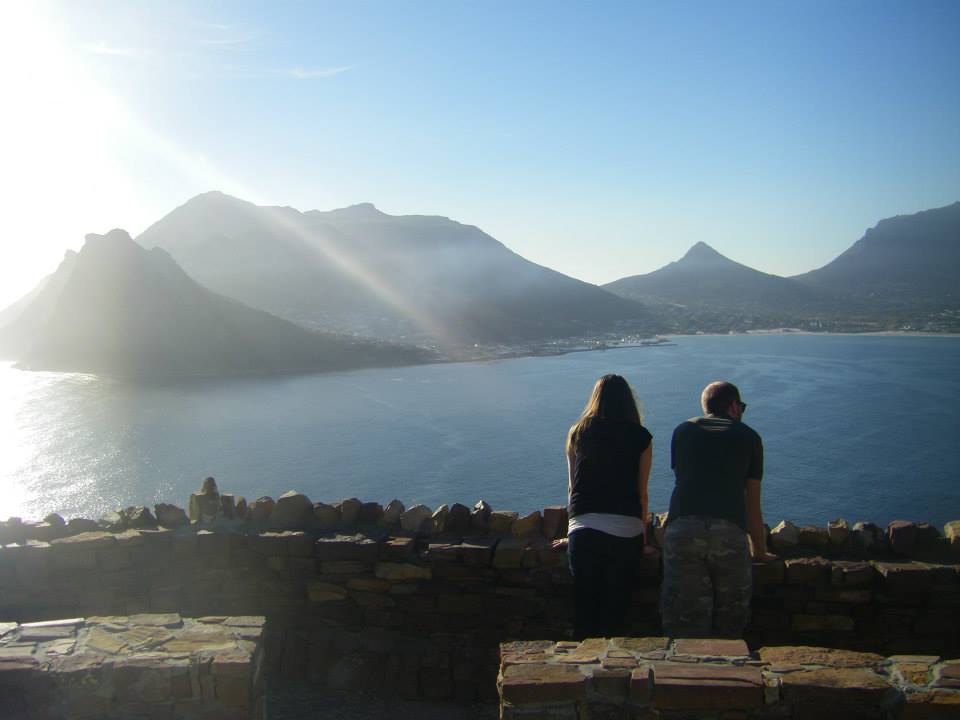
This view, doe.

This view, doe.

Why This Job Market is Inspiring

As a millennial, I feel like blaming the economy and job market has become a mantra of sorts for many — myself included. In any conversation I’ve had or blog post I’ve written about the economic struggles lately, the iterations have generally been the same: jobs are scarce for graduates, the pay is crap or nonexistent, things are ridiculously expensive and debt is on the rise. In fact, it isn’t uncommon for young people to be unemployed for a year or more after graduation and worst of all, it appears that millennials were lied to. Call us entitled or spoiled or naive, but I don’t think it was unfair for us to expect the booming economy that our parents and grandparents enjoyed.

We've graduated! Oh, shit...

We’ve graduated! Oh, shit…

All that aside, I’ve begun to feel a different way about our current circumstances as of late. In fact, I have one adjective for the way I’ve been feeling about it: inspired.

I sound like I’m on drugs, don’t I? After all the criticism the job market has faced from young people, the last word we would use to describe our situation is inspiring. But I’d take it a step further: empowering. Behind all the doom and gloom, I’m seriously experiencing a feeling of empowerment.

I explain:

It’s clear that the big employers of yesteryear are no more. Well, they’re still there, but looking for a job with them is not necessarily a thing anymore. Unpaid internship maybe, but let’s not get our hopes up. But in that, maybe there is hope. With our current job market, there are very little expectations for our prospects as job seekers. I mean, yes, there were quite a few not too long ago, but now I’ve watched all of those expectations simply fade away. That ideal job we thought we’d get in our field is now clouded with seemingly insurmountable competition. That extravagant lifestyle we thought we’d enjoy is more and more unattainable. The expectation that we’d walk off of the convocation stage and into a well-paying job is simply a lie.

You know what? Maybe that’s not a bad thing. If there are no expectations, there are no disappointments. Further, if there are no expectations, it’s easier to be pleasantly surprised when an opportunity comes, even if it is in the form of a two-month contract (I’m currently on two-month contract #2, but at least I’m working!)

And I’ve also found contracts to be oddly empowering. Knowing that I’m only at a job for a little while has allowed me a lot of perks that the prospect of permanent employment wouldn’t. For example, if I don’t like something, I know it’s not going to be a forever — in fact, it has an end date! Moreover, if I know I’m only going to be somewhere for a short time, I’m more likely to put myself out there, build relationships, and appreciate what I’m doing. It becomes a very steep learning curve, but working two different jobs in four months has allowed me to develop skills in TWO different occupations.

Finally, and most positively, this job market is empowering because it allows for unprecedented freedom. In my eyes, a lack of stable employment puts me in a limbo of sorts. Something I am doing right now may not be the thing I am doing a couple weeks down the road. I could be doing something different in somewhere completely new. To me, that’s exciting.

It also means that I am not tied down to an occupation or an employer. I no longer find myself having to be loyal to someone like I was when I worked at the same part-time job for 6 years. In those days, I stayed with unhappy situations because I didn’t want to potentially jeopardize future employment. Now, whether on contract or completely unemployed, the loyalty is mutually non-existent and there’s a certain flair for risk-taking. And if there isn’t, there should be.

Why not excuse yourself from societal norms? Why not take that trip around the world? Why not volunteer? Why not explore job options out of your city, state, or even out of your country? Why not invest your time and energy into something you’re passionate about? Why not live with a certain reckless abandon, especially in a time when it seems the economy has recklessly abandoned you?

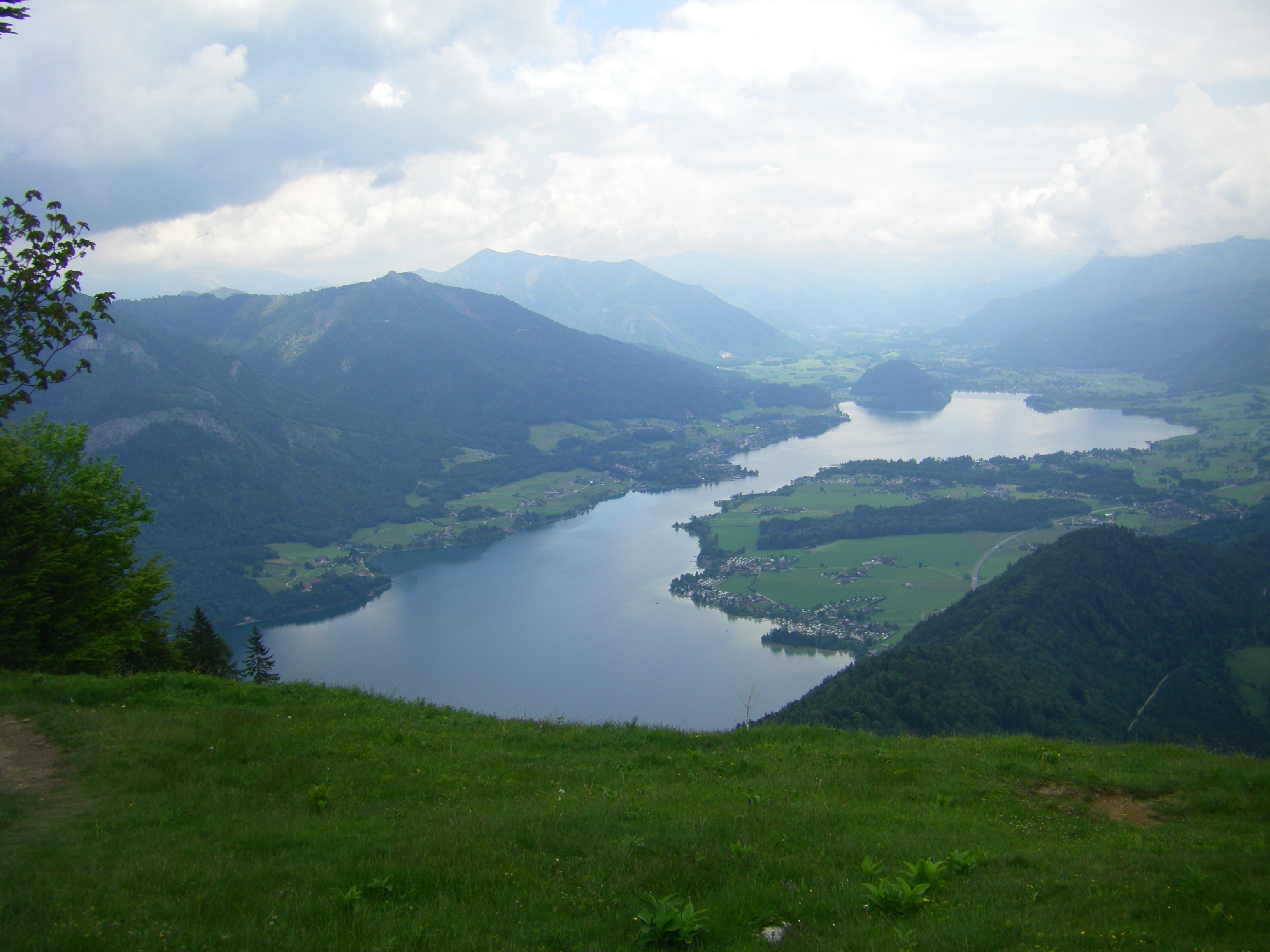
A view like this may be waiting for you! Go do something for yourself for once!

A view like this may be waiting for you! Go do something for yourself for once!

I’m not saying you should stop your quest to be able support yourself financially and enter something completely stupid like cross-border heroin smuggling, but maybe now is the time to think outside of the box. Maybe you don’t need a 9-to-5. Maybe you should pursue that one thing you’ve always dreamed of. Maybe you should explore alternative lifestyles such as long-term travel, tiny living or freelancing.

Maybe it’s time we as a generation take back some control over our lives and what we choose to do with them. Our biggest mistake moving forward is blaming others for our lack of success in the job market. It’s time we create our own success, even if that means rewriting what we believe being successful is.

We have nothing to lose, right?

No, really.

Confession: Twilight Inspired Me! (10 Books that Have Stuck With Me)

So, I’m a little late, but I’ve decided not to do this challenge on Facebook. Instead, I’ll make it into a blog post! It may take me a little longer than a few minutes, but yolo, right? Thanks to my mom and brother for tagging me! Instructions:

“Don’t take more than a few minutes and don’t think too hard – they don’t have to be the “right” books or great works of literature, just the ones that have affected you in some way.”
Why no sequels?

Why no sequels?

A Series of Unfortunate Events by Lemony Snicket

Yeah, there are 13 books… I know. In any case, these books were my favourite for a long time, even more so than Harry Potter (until book 7, of course). I remember reading the first book in this series, The Bad Beginning, in a single evening after elementary school. For me, that was when my love for books and writing really started.

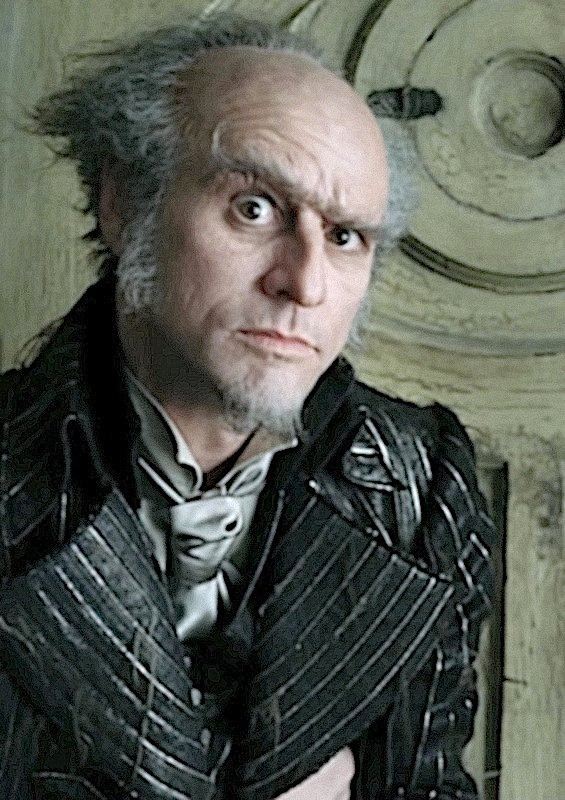
And besides, have you seen the movie with Jim Carrey? The fact that there were never any sequels produced is one of the great human atrocities.

Harry Potter and the Whole Goddamn Series (Obviously)

Another series, but how could I not? I have such admiration for JK Rowling as a writer and for the world she created. I really love how all-encompassing it is for people and how all-encompassing it was for me. I remember staying up all night to read these bad boys and I distinctly remember crying when some of the characters died… Okay, I cried almost every time.

Oryx and Crake by Margaret Atwood

I have never once been so riled up by a book. Oryx and Crake follows a man who has survived a global pandemic who recalls the details of his life, his dead lover, and his best friend who was responsible for it all. This book made me many things: sad, angry, and even disgusted — only Margaret Atwood could pull off a child pornography scene (you read correctly). In fact, the feeling of being disturbed is why I think this book was so powerful to me. Margaret Atwood has always been one of my favourite authors, but this book is her best in my opinion. If you’re a fan of speculative fiction with a literary flair intertwined with a healthy dose of cynicism, then this book is right for you.

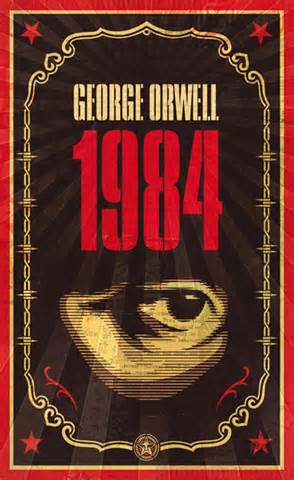
Big Brother is watching.

Big Brother is watching.

1984 and Brave New World

I’ll group book four and five together, mostly because their content is related. For the longest time, 1984 by George Orwell was my favourite book… And then I read Brave New World by Aldous Huxley. If you haven’t heard of either, I implore you to surface from under your rock and read them. THIS INSTANT. For me as a young reader and writer, these two novels were one of the biggest influences for my debut novel coming out in 2015. Dystopia is just so interesting!

Intrigued? Stay tuned.

The Great Gatsby and This Side of Paradise by F. Scott Fitzgerald

The Great Gatsby? Amazing. It was one of those novels I appreciated as I got older and I became kind of obsessed with the Jazz Age and the I-don’t-care attitude for a while there.

This Side of Paradise? Even better. Maybe it’s because I can relate so much to the main character. Yeah, he’s whiny and entitled and cynical, but he would fit right in in this age of millennial disappointment and a general distaste for real life. If you haven’t read it but adore Fitzgerald as much as I do, this is a must!

The Wise Man’s Fear by Patrick Rothfuss

Mr. Rothfuss gets a bad rep for taking such a long time between installations of his trilogy The Kingkiller Chronicle, but this second book was well worth the four years I had to wait for it. He has such a way with words and his world-building skills remind me of Tolkien. Yeah, he may not have mentioned anything about his third book for this trilogy lately, but he has a new companion book coming out in October. I can’t wait!

Wizard’s First Rule by Terry Goodkind

I’m not gonna lie, I kind of fell off the bandwagon after book four of The Sword of Truth series, but I did love this book. This was the first book I read post-Harry Potter that was in the fantasy genre and it definitely piqued my interest… enough to write a whole manuscript in the genre. Yes, that manuscript sucked and will never be published (EVER), but the initial inspiration was there thanks to Mr. Goodkind.

And the moment you’ve all been waiting for… Twilight

It’s not what you think. Really. I didn’t even read all of the first one. In fact the Twilight Saga didn’t stick with me because I enjoyed the story or because it was well-written. Instead, it instilled in me a critical eye. I just wanted to understand. Why was it so successful even though I thought it was lacking in both story and style? Why were people freaking out over it? I gave it a try, really I did, but I just couldn’t do it.

The real Twilight, my friends. Notice the lack of sparkling.

The real Twilight, my friends. Notice the lack of sparkling.

The Twilight Saga impacted me for one reason: I didn’t like it but it was popular and successful nonetheless. It sent me on a crusade to *not* do all the things that made me cringe in the book. Frankly, it made me want to write something that wasn’t terrible. It also gave me hope that my own work could be published. I’m not saying I’m an amazing author or anything, but there’s definitely no Bella Swan in my work.

Why Your Query Letter is Making Agents and Editors Cringe

Before I landed a publishing deal, believe it or not, I spent a lot of time trying to land a publishing deal. Shocking, right? Well, when I say a lot of time, I mean to say that I spent almost six years tirelessly hammering out query letters and getting either form rejections or no response at all from agents, editors, or publishers.

And the worst part? I didn’t know what I was doing wrong. Were my query letters that bad that it didn’t even warrant a response? It wasn’t until I had actually acquired a publisher for my debut novel, joined a writing forum and critiqued other writers’ letters that I was able to look back and see where I had gone wrong. And trust me, my old letters were awful. Here’s why.

woman-and-laptop

Unimpressed Agent is unimpressed.

It all Starts with Story

Believe or not, a good query letter starts before it is even written. Hell, a good query letter starts before the novel itself is written. Why? Well, I’m no scientist or anything, but it seems to me that there’s a relation between shitty stories and shitty query letters.

How to avoid this? Write good stories. Easy, right? Maybe not, but I do think it takes some mindfulness on the part of the writer. Write an original story. Don’t follow the trends. Avoid cliches and cliched story-lines. Know your genre. Know your audience. Enlist a beta-reader, a peer, or someone who will give you an honest opinion and then help you burn that shit should it make readers cringe.

Most important of all: read good books. The better read you are, the more equipped you are to know what is good and what is bad — and trust me, you can find a lot of bad without looking very hard. With time, that knowledge gets applied to your own work. It’s called growth, bro.

Vagueness is NOT Your Friend

During my time at previously mentioned writing forum, I have had the pleasure of reading and critiquing quite a few query letters from other aspiring writers. One of the number one things that turns me off of a letter is when the author presents his or her story in a run-around, pseudo-Hollywood manner. Observe:

When Random Randy moves abroad, he must conquer the fears that have hindered him in his love life — and in achieving his dreams. He has been hurt before, but he won’t be again. In a story of love, loss, betrayal and family, Random Randy must learn how to trust again before he loses all sense of control.

Well, Random Randy, that’s all good and fine, but the cringing agent or editor still knows nothing about your story. There’s no substance here and definitely very little plot. Yes, I understand the need to want to tantalize your reader and not give too much of your precious story away, but being vague won’t distinguish you from other writers in the slush pile.

And for God’s sake, endless adjectives do not equate good story.

Hey, You! Focus!

Writing a story is hard. There are often many characters involved, many plots, many themes, and that only grows with your word count. But legit, when you write a query, the agent generally only cares about one of those things: your main character.

Yes, it is tempting to delve into every single plot point, well-developed character, and explored theme, but that doesn’t help you in a query letter. You need focus. You need to be deliberate and singular. In fact, to focus a query letter, I have generally stuck to what I and other writers call the Three Big Questions. They are as follows:

1. What does your protagonist want?
2. What does s/he have to do to get it?
3. What happens if s/he fails to get what she wants?

So, leave the other stuff behind. Let your literary gold be a surprise when that intrigued agent decides to read your manuscript.

This is NOT a News Report

This last point is actually a polar opposite of the two previous points I have mentioned. So, you’ve now reworded all the vague language and focused your query, but you find you have something like this:

When Ursula Unlucky loses all her money in a burglary, she and her children must move across the city to the sketchy part of town. There, she gets a job she hates and she discovers her neighbours are mean. Worse, her children are being bullied and even when she meets with their teachers, the school decides it won’t punish the bullies. Ursula then…

You are not on CNN. You don’t need to talk about every development and twist and turn in your plot. This comes across as being dry and boring and frankly, the agent or editor is cringing. The problem with this is that a query shouldn’t read like a synopsis — the synopsis should read like a synopsis. The query should give enough plot to have a focus (see above), but not enough to take away from the intrigue of your query.

Think of it like testing samples at a grocery store. You want to give the agent/editor/publisher a sample of your story and writing style so they’ll decide to come back for more.

Mmmm... Samples.

Mmmm… Samples.

______

And for shits and giggles, let’s look at one of my old query letters that I submitted once upon a time. It was for a novel that I no longer wish to publish mostly because it is a hideously cliched story (see reason #1 why agents and editors are cringing). In fact, I believe this is my very first query.

Dear Ms. Agent I Found,

As an avid reader of both fantasy and young adult novels, I was immediately drawn to the XXXX Agency and your work. I admire the optimism and support you give writers both aspiring and with your agency. That said, I would like you to consider my novel [Hideosly Cliched Fantasy Title]. It runs approximately 90,000 words and is an epic fantasy novel aimed at young adults.

Set in a world where different realms mesh in a not-so-perfect harmony, [Main Character] spends his youth gazing out an enormous window in his father’s study awaiting adventure. After an experience outside his hillside home that he is too terrified to remember, he must somehow harness a magic that he holds within.

Meanwhile, a fearsome leader named [Fearsome Name] has summoned an ancient magic that has only survived in the superstitions of crazed mystics. With it, he threatens to grip the entire world in his wretchedness. In a story of fallen kingdoms and multiple realms, [Main Character] must stop the bloodshed as the boy for whom the scripture glows.

A student at the University of Toronto studying language and professional writing, I believe that working with an experienced, caring agent such as yourself is the next step for both my novel and me. I think [My Novel] would go together well with the array of fantasy titles attributed to the agency. Also, I read in an interview that you did that you enjoy young adult fantasy and I hope that my novel can find a comfortable place in your repertoire.

Thank you for your time and consideration.

Regards,

Michael Cristiano