Tag Archives: writing

4 Things I HATE About Books

Everyone does posts and lists about how great books are, right? There’s always something like The Top 10 Books of the Summer or 100,000 Ridiculously Long Books You Should Read Before You Die, But Probably Won’t. I love those lists, but I don’t think I’d add anything original.

Instead, I’m not going to tell you what to read. In fact, I’m not even going to tell you what NOT to read (and trust me, I could name a few and save you some agony). I’ll be even more cryptic than that. I’ll tell you the 4 things that writers do that makes me want to throw their books into lawn mowers.
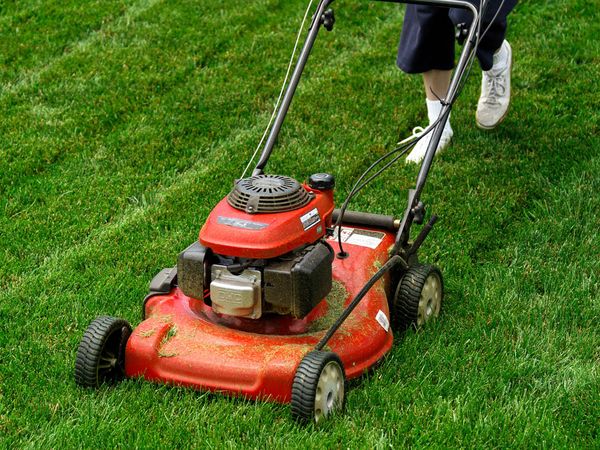
On nom nom, BOOKS!

1. Books that give me stage directions.

Timothy grabbed the pen and held it in his fingers. It was warm, as most pens are, and if he pressed it to the paper, it would emit the most delectable words. He held between his forefinger and his thumb and placed it to the page. He twitched his muscles in a deliberate way. He wrote a letter, curving around below the line and making a dot of smudging black.”

Do you see? This book, my friend, needs a serious copyeditor. I read a certain book like this lately, one quite popular in the YA market. It was from a trilogy about a dystopian world — maybe you’ve heard of it? Either way, if that author had cut out the mundane descriptions of everyday actions, she could’ve saved herself a hundred pages. Or two.

2. Sentences that are just too wordy.

Don’t get me wrong, I love the classics (read: adore), but these typically are the worst offenders. After a long day, the last thing I want to do is read a sentence that is longer than the book itself. I get it: spice it up, use a flowery adjective or two, wow me with your vocabulary. But invest in some periods or SOMETHING! I get to the end of your sentence and I’ve forgotten what you’ve said in the beginning.

3. Characters that can’t decide if they love each other or not.

Okay, don’t get me wrong, I like a little love story in books. In fact, I often write them into my own pieces. Love is a part of life, and it’s beautiful, and I get that. But sometimes, it makes me so angry. I just can’t stand the flip-flopping.

I love him. I hate him. He’s unreasonable. I’m unreasonable. I was wrong. But he hurt me so. He’s the worst. No, he’s not. I love him.”

Just stop. I have real life for that. A little drama is fine, but this isn’t a soap opera. The reader is not your therapist.

You aren't meant to be. We all know it. Let it go.

You aren’t meant to be. We all know it. Let it go.

4. Intellect that is out of place.

I walked into the room. She was standing there. She was pretty and I liked her.  I touched her arm and smiled. The endorphins rushed into the capillaries of my fingertips, and the serotonin in the receptors of my brain afforded me momentary contentment.”

Okay, there, Bill Nye. Tone it down. I know your writing was bland before this moment, but big words are NOT the answer. If your entire book is written that way then fine, bring it on. But don’t just add in intellectual banter to change it up. When that happens, it feels so random, like the author needs to prove to everyone that they are smart or something. We get it. Hell, you wrote an entire book. You need not prove anything!

—–

AND you know what’s even more infuriating than this list?!

When I find myself doing these things in my own writing. It makes me cringe. Don’t do it in yours. Consider yourself warned.
3 Things I Learned While Backpacking the World

There I was: I’d just finished my Bachelor’s degree, I’d worked 4 jobs to pay for my tuition, and I took my remaining money to fund my dream trip through South Africa and Europe. I spent two months away from my little Hobbit hole in southern Ontario, visited 10 countries, and took more trains and planes than I can even fathom (though, I now have an aversion to ticket machines. Stress level through the roof).

Sounds amazing, right? Well, it was. But it wasn’t just because I got to see all the places I’d only ever read about on Wikipedia. I happened to learn a few life lessons along the way.

1. Travelling is Fantastic Inspiration

It’s no surprise that I’m a writer. I live, eat, and breathe writing. I talk so much about it now, I make myself nauseous – and everyone else, I’m sure. Shameless self-promotion has become my best friend (check out my page for the latest release details for my first novel).

However, before leaving on this trip, I’d hit a wall. I felt drained, uninspired, and not enthusiastic about my work. But that all changed. Travelling was like breathing fresh air. I’d seen so many places and met so many people of differing life stories that I found inspiration from things I would never have encountered within my everyday 50-kilometer radius. It gave me new experience to draw from. It gave me a new sense of purpose and motivation. I came back ready to pursue my dreams.

2. The World Isn’t Such a Bad Place

Grab a pillow: it’s story time. I was still in undergrad. I had this dream of uprooting myself for a bit and going away. So I did. South Africa was the first stop. I went with a fantastic group of people, and our flight actually started us off in Johannesburg.

You should have seen the reactions I got when I told people.

“Johannesburg?” Someone said. “Be careful! It’s a dangerous place! You could get killed.”

Real talk for a second: Johannesburg can be dangerous… but so can everywhere else. All it takes is the wrong place and the wrong situation and bad things can happen. Hell, I got mugged in my own neighbourhood – and it’s a pretty safe neighbourhood!

The point is, there’s a lot of good too. Most everyone I met while travelling was awesome. I never found myself in a situation where I felt unsafe. If anything, people were eager to meet me and to help. Not everyone was an axe-murderer who wanted to steal my money.

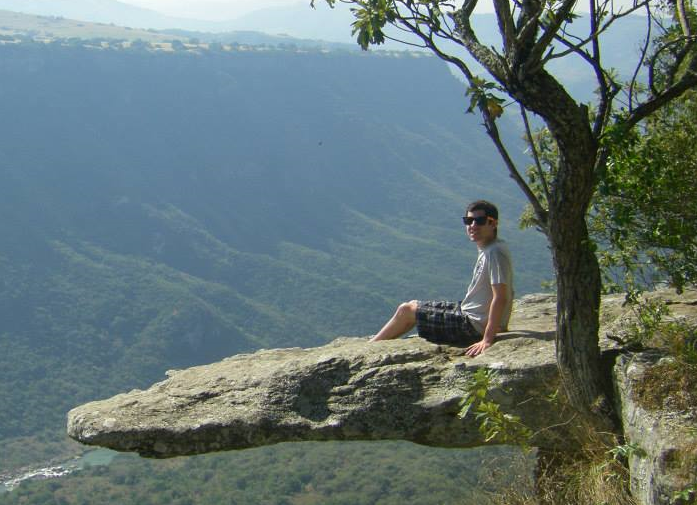
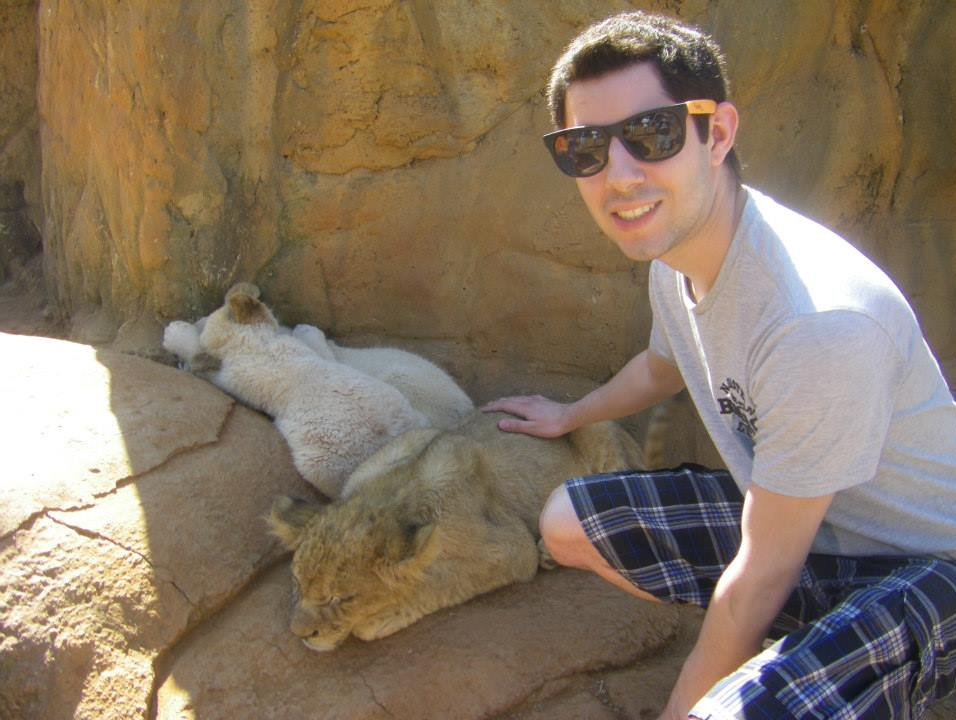
Look! I didn't die!

Look! I didn’t die!

3. There’s No Place Like Home

But you already knew that, right? I mean Judy Garland said it like 8,000 times during the Wizard of Oz, and I adored that movie as a kid.

But I guess I never really internalized it. It’s one of those situations where you never really realize what you have until it’s gone. Halfway across the world, I missed my family and friends and my partner of two years. Even when I returned, it was like I saw things in a new light. I appreciated all the people who supported and loved me. I even appreciated all the things I had found draining or mundane.

And I appreciated my car. God, did I miss my car. (Cue ticket machine-induced stress).

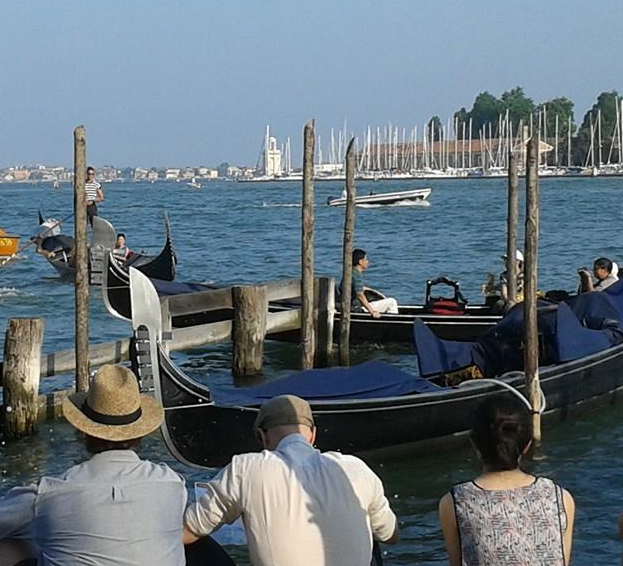
Gondola, you say? Where's my car?

Gondola, you say? No, no. Car, please.


Where have you travelled? What did you learn?

The 7 (Agonizing) Stages of Self-Editing Your Fiction

A look at common struggles a writer encounters while perfecting their masterpiece. Or trying to, at least.

DISCLAIMER: This is not a how-to. This blog cannot be responsible for work that gets lost in editing oblivion. For a how-to, run a Google search. Or join a writer’s forum. I like this one.

Stage 1: The Post-Drafting High

You’ve just finished your piece. The characters are realistic and complex. The descriptions are captivating. The twist at the end: no one will see it coming. NO ONE. Congratulations! Good job, you. This is what you live for. Now, go out and get a beer. Hell, get two! Dance. Make some questionable life choices.

Enjoy it now, young grasshopper.

Stage 2: The Pre-Edit Low (aka. What the Hell Have I Done?)

So, you’re ready to work. You’ve recovered from that hang-over and you’ve corrected all those questionable life choices, though there may still be some photo evidence on Instagram. Go check.

In any case, the document’s open, your title page looks spectacular, and you’ve spent the last hour and a half deleting extraneous tabs and trailing paragraphs.

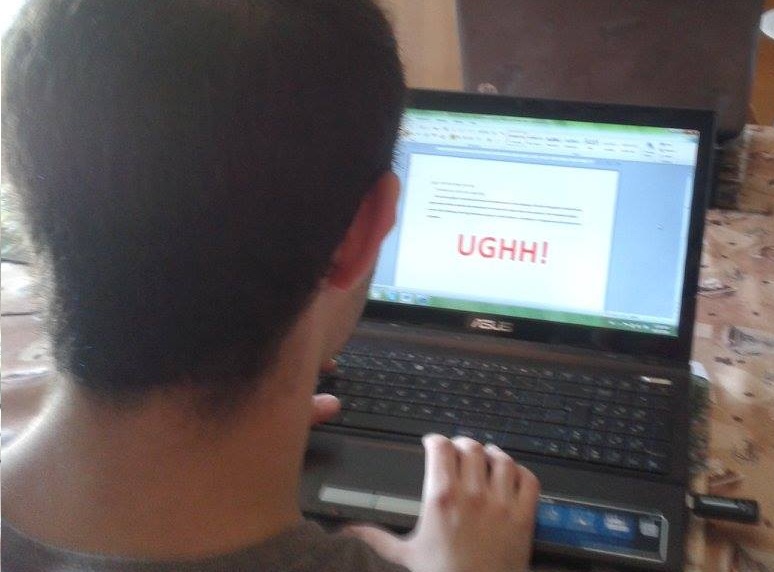
Now: let’s do a quick read-through. Let’s look out for continuity errors, major plots holes, and breaks in character building. Maybe you should consider reworking that second paragraph. And the next chapter. And the whole middle part. Hell, this looks worse than you remember, doesn’t it? Who wrote this? Clearly, you didn’t. Your IQ is higher than a chimp’s, yet it seems like the chimp could poop out a better manuscript while sleep deprived, post-spicy burrito.

What have you done? All that planning (or lack thereof) has gotten you nothing. The voice is off, your main character is annoying, and that plot twist? Predictable.

Well, fine. I guess you’re rewriting the whole damn thing.

Stage 3: The Rewrite

After recovering from the emotional damage of discovering the story you’ve been working on for the past millennium is terrible, it’s time to do a rewrite. This can consist of just specific parts of your manuscript or the entire thing, but it largely consists of crying, outbursts to family and friends, and reconsidering your choice to become a writer (whose idea was that?).

But hey, maybe this isn’t so bad. You could take that stock character and give them an epic side story. And that twist? Tweak it a bit, and BAM! One hundred times more unpredictable than before. This is actually kind of fun. This is the reason you became a writer in the first place: to WRITE! But don’t get too ecstatic. Most of the good stuff comes from editing after all, remember? That’s why you’re here.

Stage 4: The Break.

You’ve worked hard, right? Why not take a break? Go for a run. Go read a newspaper. Go clean out those drawers in your bedroom that have been overflowing since spring (read: since two springs ago).

But who am I kidding? You don’t wanna do any of that. You’d rather obsessively refresh your Facebook feed then binge-watch Game of Thrones on Netflix while drowning your sorrows into a litre of cookie dough ice cream and a bottle of coke.

Now, that’s a break. Am I right?

Stage 5: The Deadly Cycle of Procrastination

It’s been a couple days. Your Game of Thrones marathon quickly led to Catching Up with the Kardashians and then cat videos on YouTube. However, you’re experiencing a revival of determination. Or maybe it’s that gnawing feeling of idleness.

Either way, the line-by-line is next and that’s going to take the longest. But maybe you should do some laundry before you get started. And feed the cat. Oh, don’t forget to call Mom. She misses you. Your whole family misses you. How about a barbeque? The weather is warm and your social interaction has been subpar lately. Maybe an evening with a bottle of wine. That would be nice.

Do you see? It won’t end.

Seriously. Editing. Go.

Stage 6: The Copyedit

This is the most tedious part – however, also the quickest. This is the part where you drive yourself crazy about your grammar and cut down on the wordiness. No passive sentences, you say? And saidisms? You mean, you can’t use he articulated and I phonated? And heaven forbid you make up your own character or location names. Your word processing program is going to love pointing those out.

(Psst. Add them to your dictionary. Save yourself the agony.)

Stage 7: The Post-Edit High

You did it! You’ve survived your self-edit with your fingers intact and perhaps a shard of your sanity. Never fear though, what comes next is quite possibly the thing you’re looking forward to the most: MORE EDITING!

“What?” You ask. “I thought I was done.”

Well, think again. If you’ve got an editor or a trusted beta-reader, they’re going to have some useful thoughts. Besides, let’s be real, this is what you live for. There’s nothing that compares to a nice and polished manuscript that’s ready to take on the world. Well, maybe a published manuscript could compare, but you’re on your way there anyway!

Happy editing!

POST-SCRIPT: No chimps were hurt during this editing cycle. Or force-fed burritos.